

Superloop: SL is for slog
Exploring (part of) London's express bus network.

tl;dr: The Superloop is a really mixed bag, and it took me a whole day to find that out.
A very different, very off-piste post today as I’m looking at the Superloop - TfL’s network of express bus routes that launched in 2023 and aim to plug the gap in transport between outer London boroughs.
Does the Superloop work, or is it just a fancy branding exercise?
SL1 - Finchley to Walthamstow
The SL1 is the only route I have any prior experience of, and having used it a fair few times to visit a friend in Palmers Green (which would otherwise require heading in to the city on the train and back out again on another line and cost a fortune in the process) I’ve raved about it.
This route primarily runs along the A406 North Circular, a crucial ring road in north London that varies along its length from a large six lane dual carriageway at 50mph down to some smaller four lane sections at 30mph, but in this case often with dedicated bus lanes. At either end, it comes off the main road and makes its way in to North Finchley and Walthamstow bus stations on local roads.
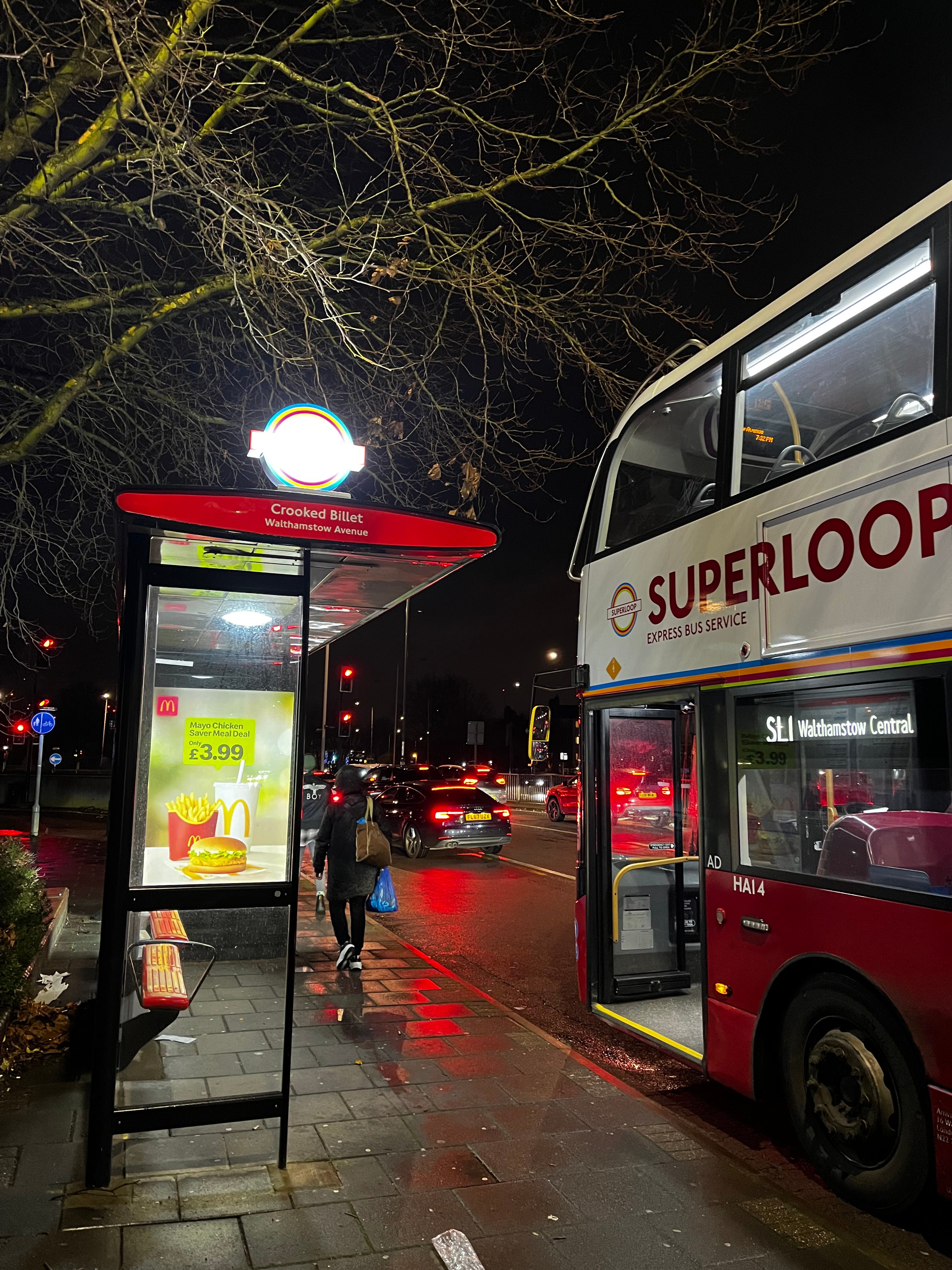
On the way, the bus briefly dips in to serve Silver Street station, which the North Circular otherwise avoids via an underpass.
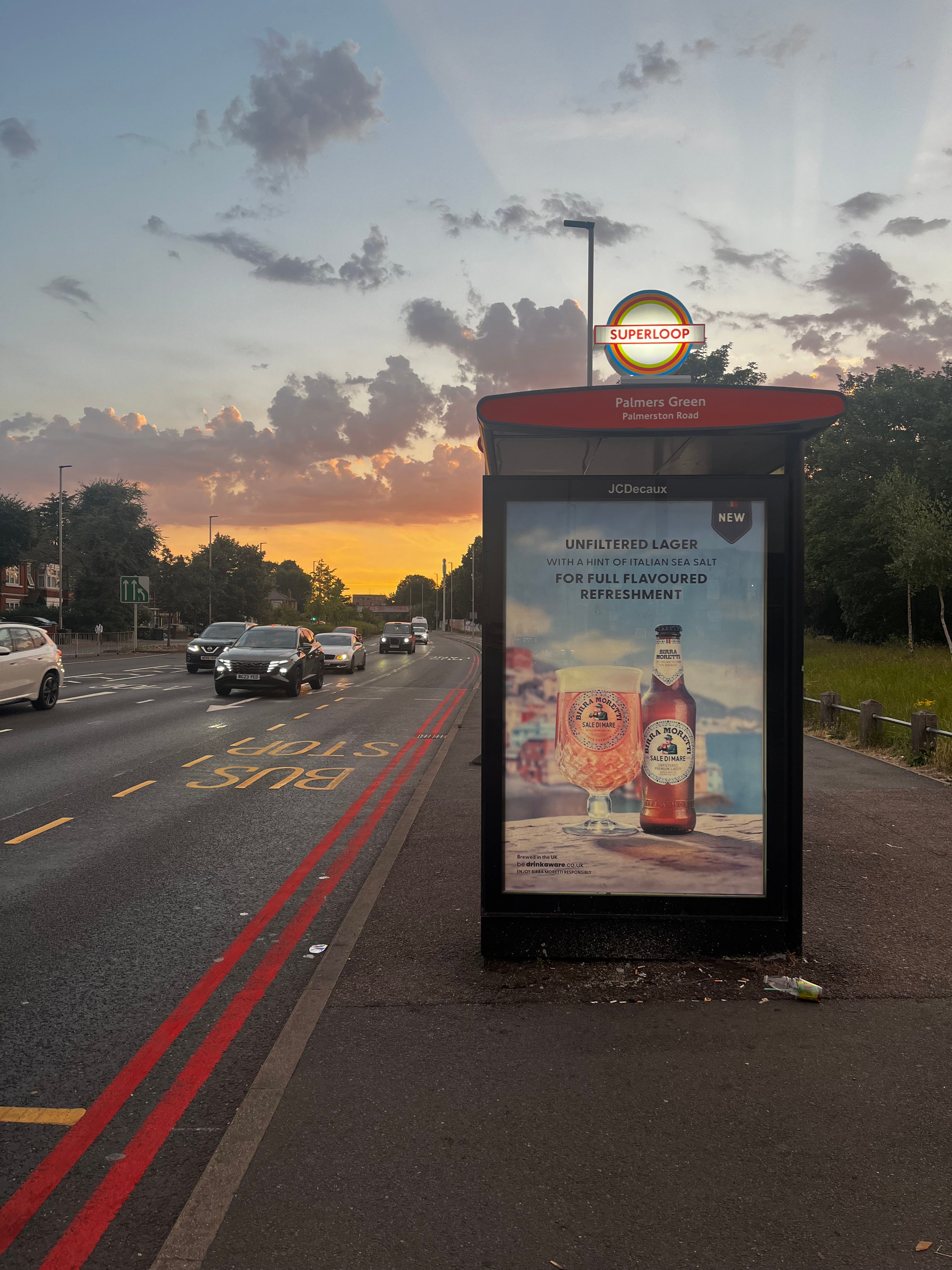
The SL1, along its core section, is fast and convenient - so much so that there’s a sense of “I should be wearing a seatbelt” and “this bus was not designed to go this fast” as it races along at 50mph. In traffic, it’s probably faster than making the journey by car, and in normal conditions, roughly equivalent. The route is operated by Enviro400H Cities which were spruced up for the job, and all-in-all the whole thing is pretty brilliant.
As my only Superloop experience, I have to say I held the system in high regard as a result - surely, all of the other Superloop routes would be just as good?
The loop
The Superloop network isn’t just one route, though, and is currently made up of twelve routes of which seven form the main ‘loop’ and the remaining five are radial routes heading in and out of the city.
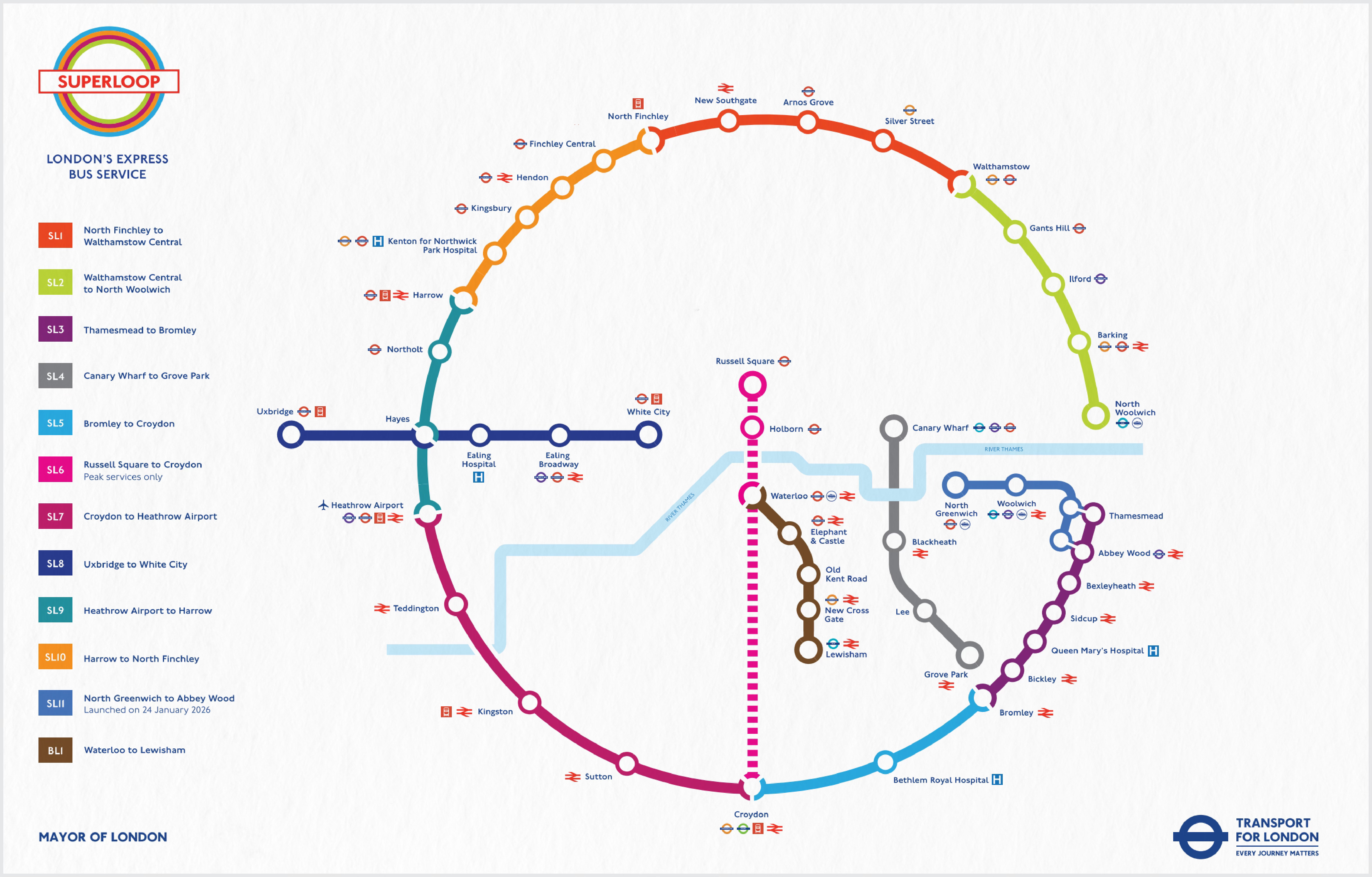
In terms of ticketing, they’re no different to any other bus in London, with a standard fare of £1.75.
As I’ve said, given my only experience of the Superloop was the SL1, I decided that before I could write about the system I needed to earn some Superloop-credentials and take a few more. And so, yesterday, that is what I did.
SL2 - Walthamstow to North Woolwich
The SL2 starts fairly close to home and so it made sense to head clockwise, rather than retrace parts of the loop I’d already done.
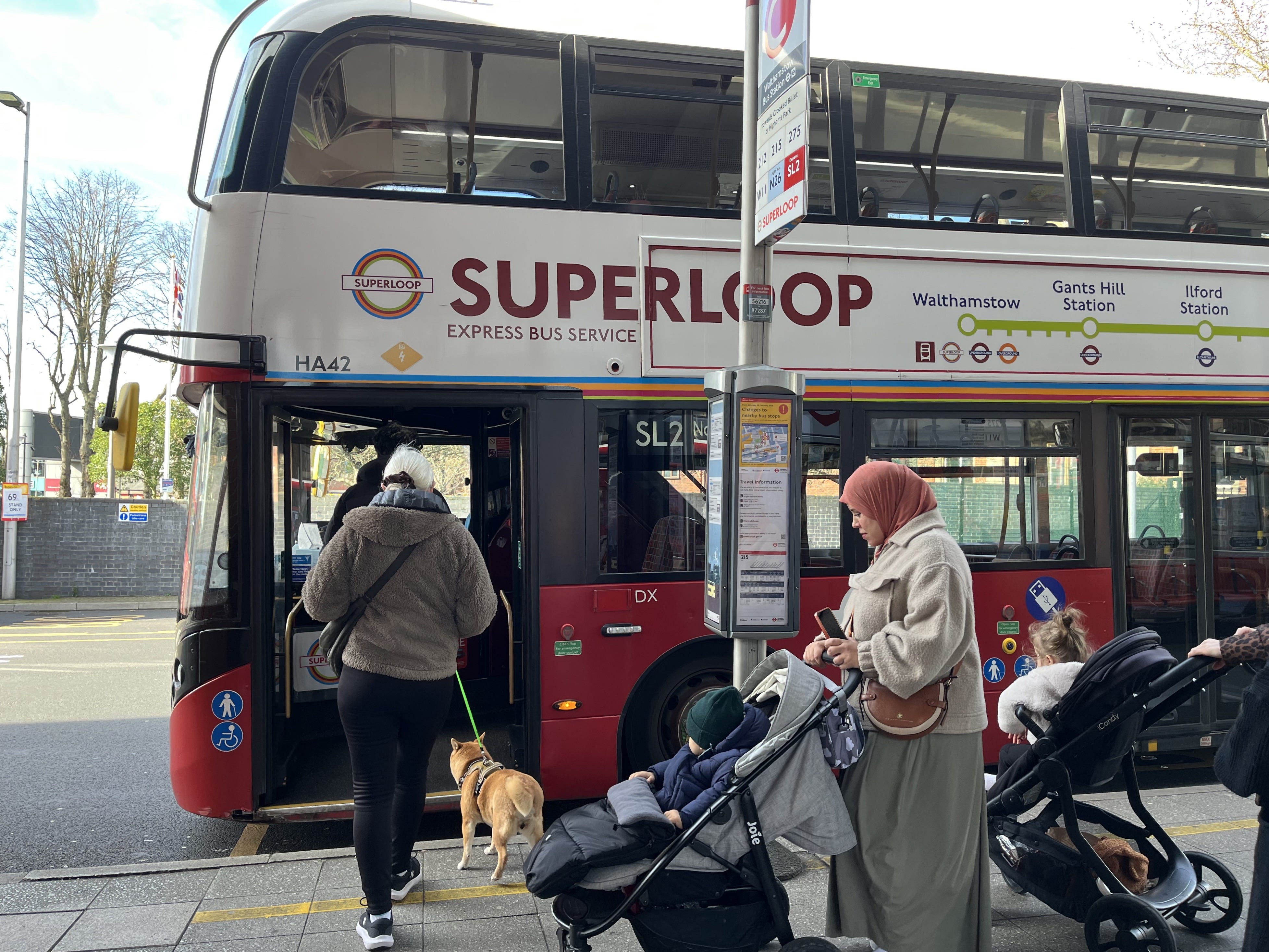
Starting from Walthamstow Bus Station, the route heads up Hoe Street, along Forest Road and joins the North Circular at Waterworks Roundabout, and I was hoping that like the SL1 this would mean we would be whizzing along the North Circular straight to North Woolwich with few stops on the way.


But this was not the case - after one stop on the A406 for South Woodford, the bus comes off at Charlie Brown’s Roundabout (the scariest of many roundabouts I had to know well for my driving test) and heads towards Gants Hill station on the Central Line. That’s fine - there’s a four-lane dual carriageway with dedicated bus lanes to there, but afterwards we’re suddenly on tiny little single carriageway roads heading towards Ilford station (served by the Elizabeth line and Greater Anglia services.)


After this, more piddly streets until we arrive at Barking town centre, which has some of the worst road surfaces I’ve ever seen in this country. These were more pothole than not, and gave the sense of something I’d expect to see made fun of in a Top Gear special filmed in some far-flung destination. Perhaps the SL2 would be better using some sort of special off-road buses with souped-up suspension to get through here?


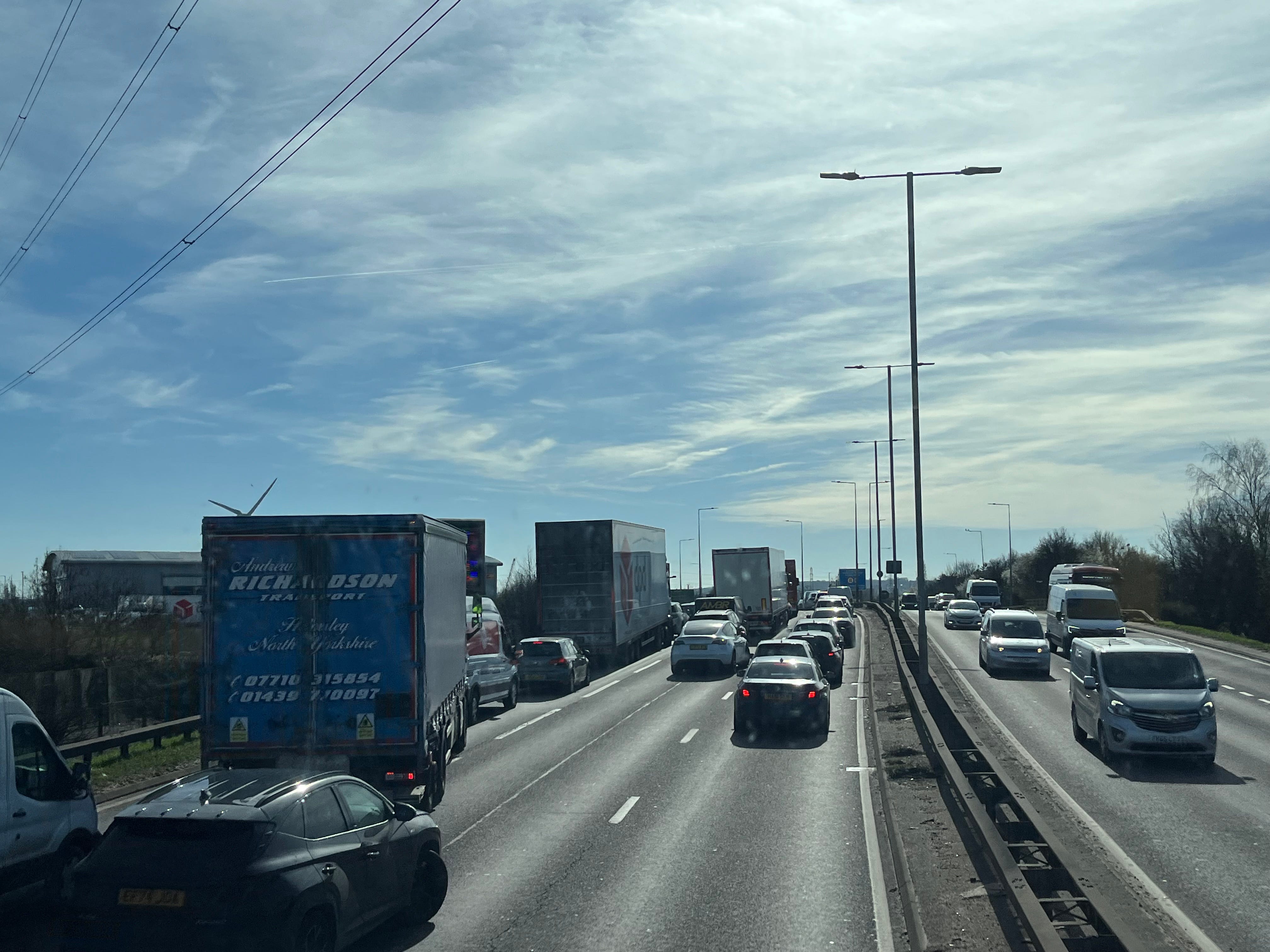
After this, we finally make it back onto the A406 but before any speed can be picked up, we’re stuck in traffic queueing for Beckton roundabout which marks the end of the North Circular and connection to the A13. Ugh.
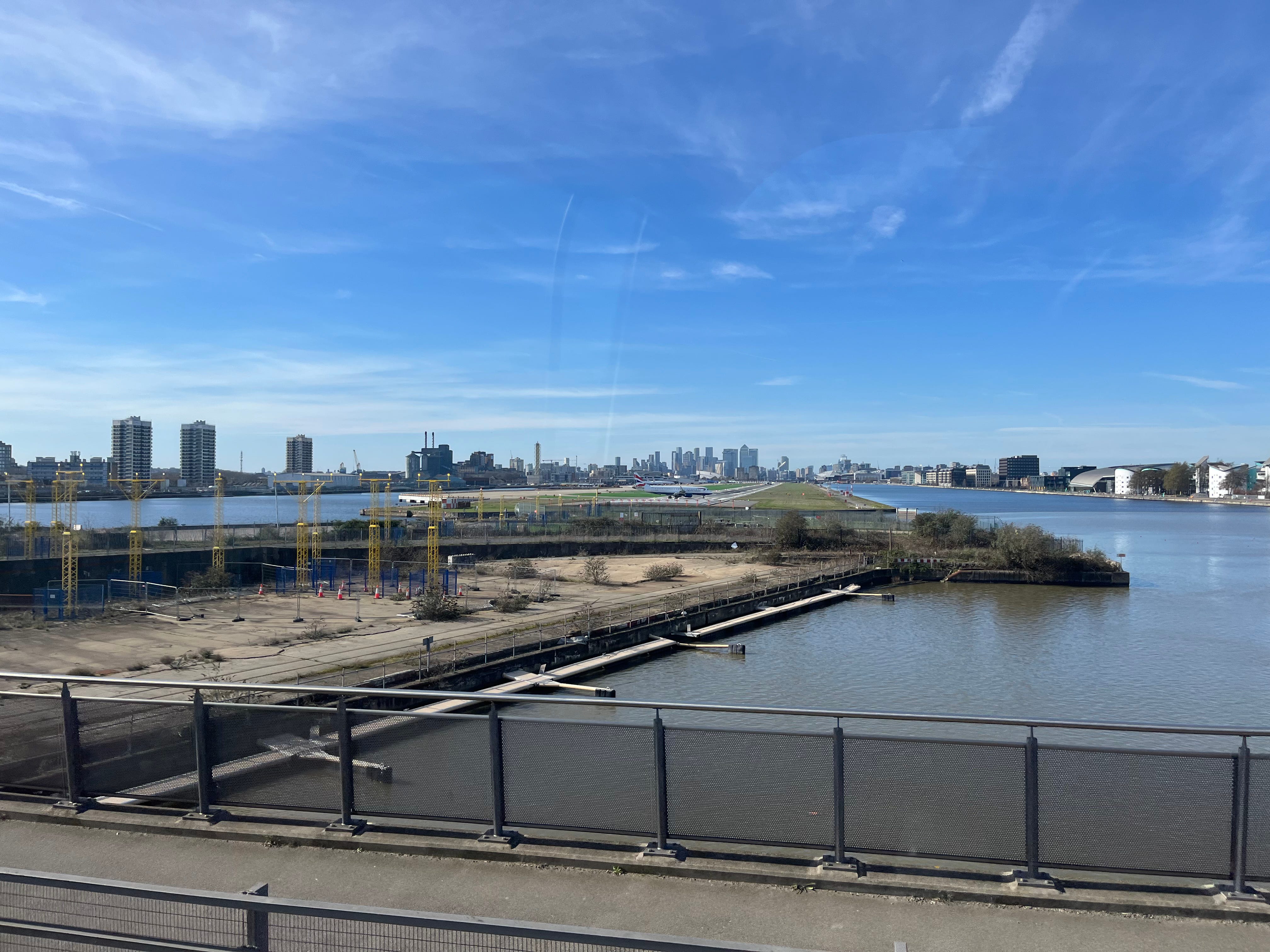
We then continue south towards the river, heading over a bridge at the eastern end of the docks with a super cool view over the entirety of London City Airport. Not long after, we arrive at the North Woolwich ferry terminal - right outside, which is mighty convenient.
This route is weird - it’s effectively running around the North Circular but rather than taking advantage of it, spends most of its time on comparatively tiny streets mostly paralleling its path. All of these will be massively clogged up with traffic in the peak hours (I took this journey on a Monday lunch time) and so even with the “express” stopping, I’m not really sure it will run much faster than a normal service covering the same route. Was it really that important to head in to Gants Hill station? Ilford and Barking could be accessed from the North Circular, or some sort of ‘satellite’ stop provided (like is done for South Woodford) rather than going right into their respective town centres to serve the station.
Ferry
I haven’t been on the Woolwich ferry in a very long time, so much so that the last time I did it was using ancient boats built in the sixties that I remember shaking violently and having a gloomy foot passenger deck complete with wooden benches and the smell of leaking oil.
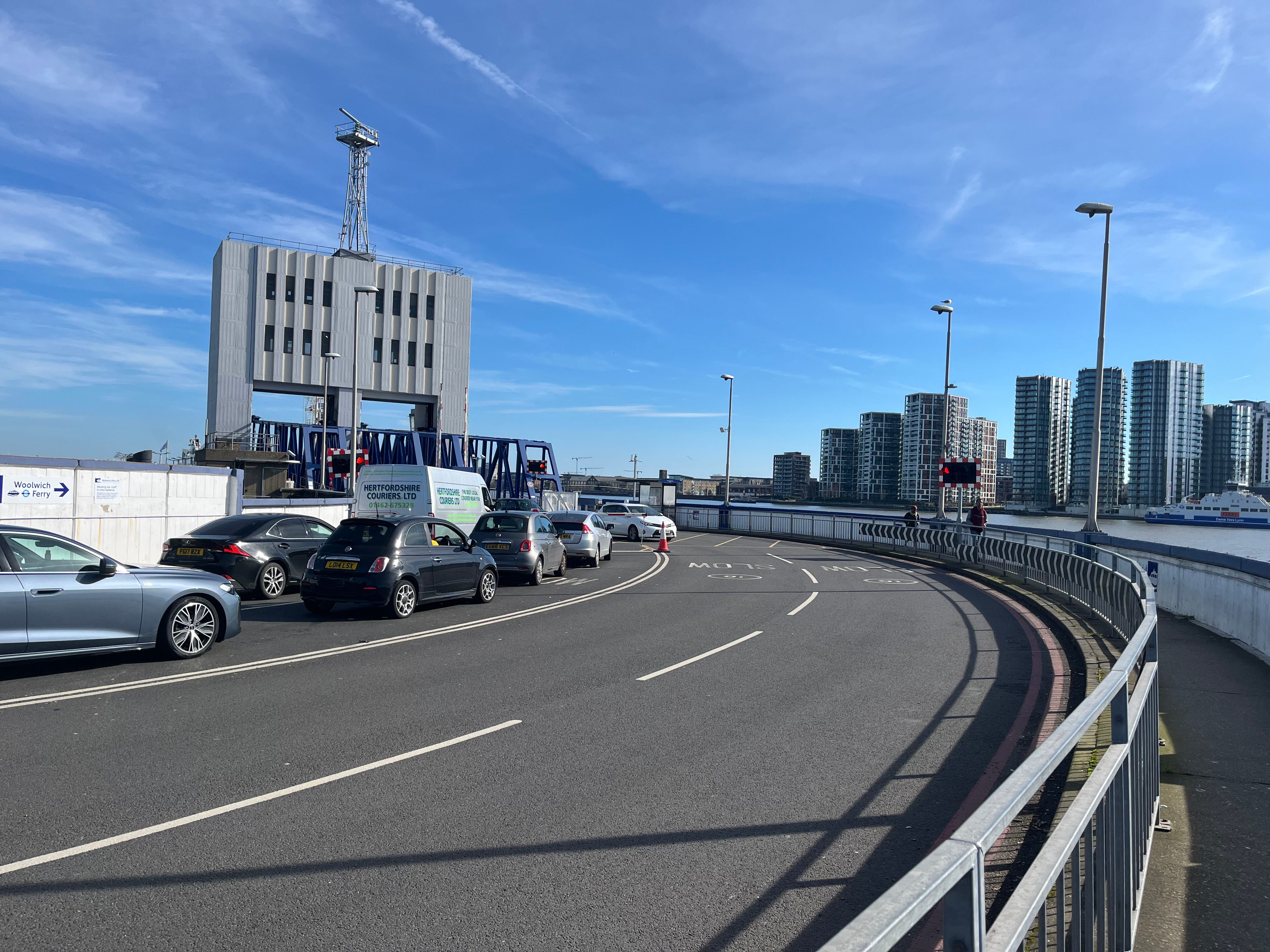
Today though, there are shiny new boats which offer dedicated pedestrian and cyclist facilities with air conditioned indoor waiting areas. Access was by dedicated footpaths with specially-blue bus shelters on the piers.


The crossing takes a few minutes and is a carefully orchestrated dance between the two ferries, each operating in opposing directions.
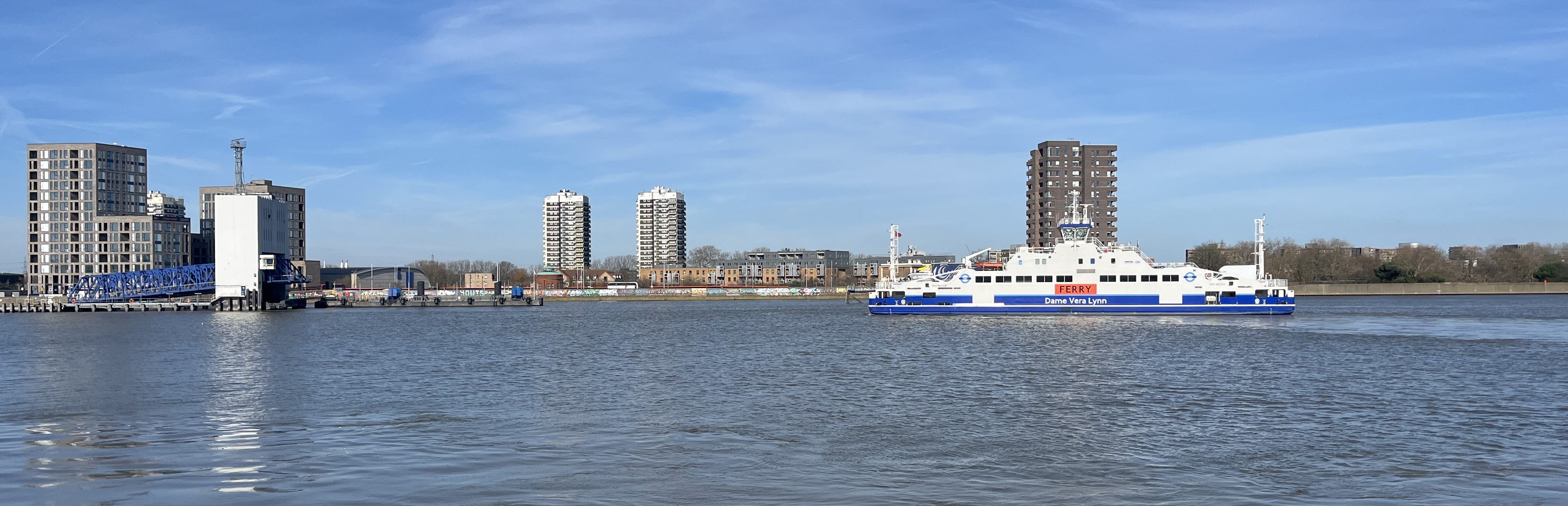
It’s free for drivers, cyclists and pedestrians, and offers a surprisingly convenient way to traverse the river in this area where there are no permanent crossings (other than a grim foot tunnel). Disappointingly, there were no foghorns.
Once south of the river - a place where no self-respecting person goes - I realised that things weren’t going to be as straight forward as I’d hoped. I knew that the SL3 didn’t start quite in the immediate vicinity of the ferry terminal, but I’ll be first to admit that I didn’t really look that closely at where I was going and this was all a bit impromptu. What I hadn’t accounted for was just how far away the start of the route actually was - it’s not shown on the Superloop map as a connection, but there’s a river in the way, and so I’d just kinda assumed it would “sort of” connect on the other side.
How wrong I was.
I looked up where the SL3 actually started, and it turned out to be a thirty-minute bus journey away to the east. At this point, and having been as underwhelmed by the SL2 as I had been, I very much considered abandoning my great expedition and heading back home instead, but no! After a ten-minute wait, I took a 177 through Woolwich, Plumstead (which surprisingly had segregated bus lanes) and Abbey Wood to Thamesmead - a weird, new-town-esque, car-centric strange place that I hope never to visit again, but where on this occasion, I got lunch.
SL3 - Thamesmead to Bromley
The SL3 boarded from a tiny little bus loop behind Thamesmead’s bizarre town centre and headed south. This was a brand new Enviro 400EV with air conditioning(!!) which was appreciated given I was sat with the sun beating down on me in the foamer seats for much of the journey.


The question now was - how was an express bus service actually going to work in south London, given that south London doesn’t really have any sensible road infrastructure equivalent to the North Circular in the north?
The answer: it doesn’t. (You can stop reading now.)
After passing Abbey Wood station, we find ourselves on a tiny little wooded street heading uphill, with cars parked along one side and not enough space for two vehicles to pass on what’s left. (Apparently this is Lesnes Abbey Woods… hence the station name.)
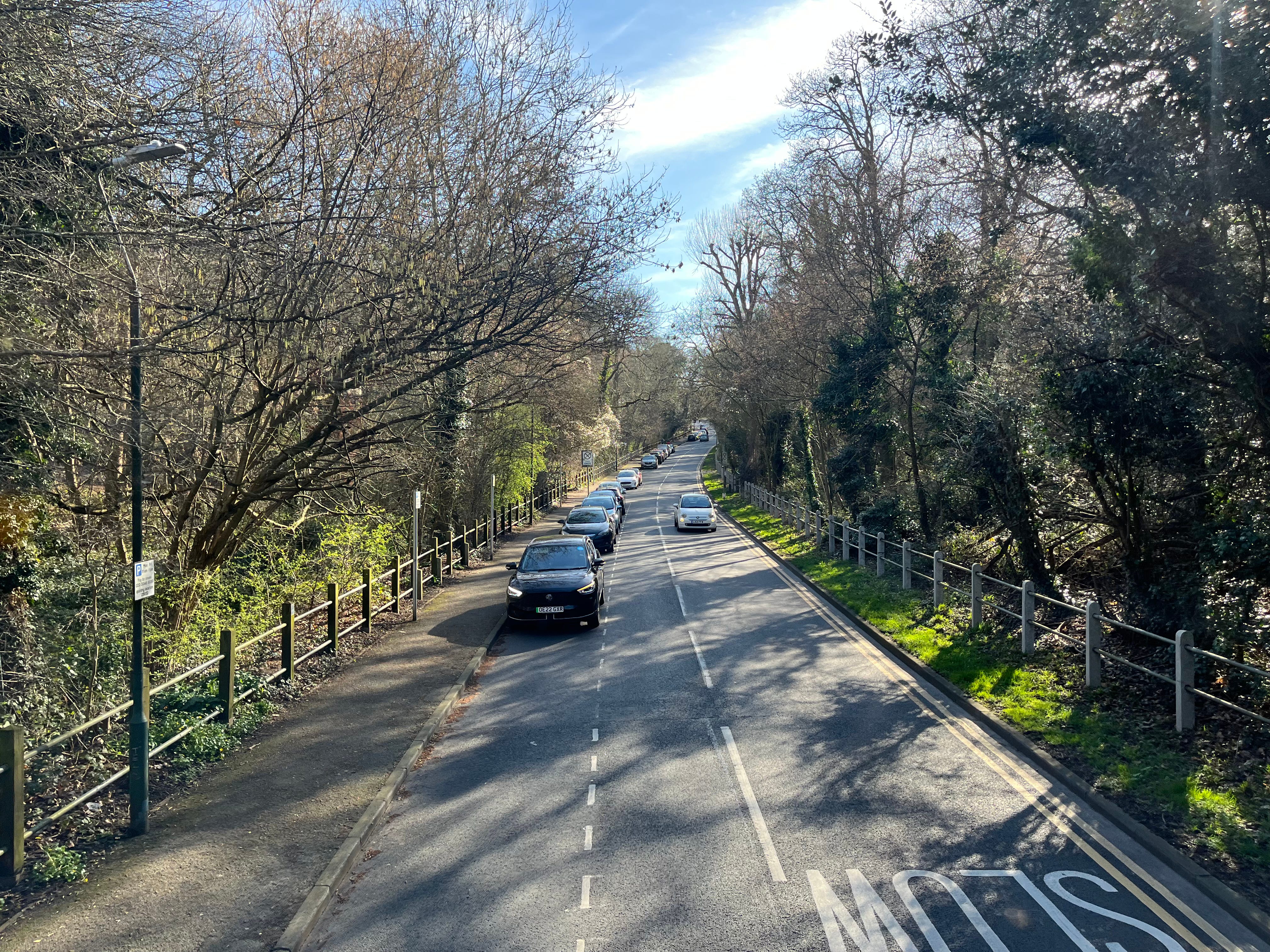
This continued, with tiny narrow streets lined with houses towards Bexleyheath station, that were weirdly reminiscent of my very-much-not-London home town. At one point, we were stuck behind a 301 bus stopping more-or-less at every stop, and unable to pass because of oncoming traffic, which obviously defeats the entire point of the route.


After Bexleyheath, we passed over the A2, through Sidcup and up to the promised land of Bromley itself.


There wasn’t really anything express about this Superloop route - at least the SL2 had some brief high-speed sections. The buses are very shiny and comfortable, using TfL high spec interiors, but the route didn’t really make any sense in terms of being express, because we didn’t pick up any actual speed as a result of skipping stops.
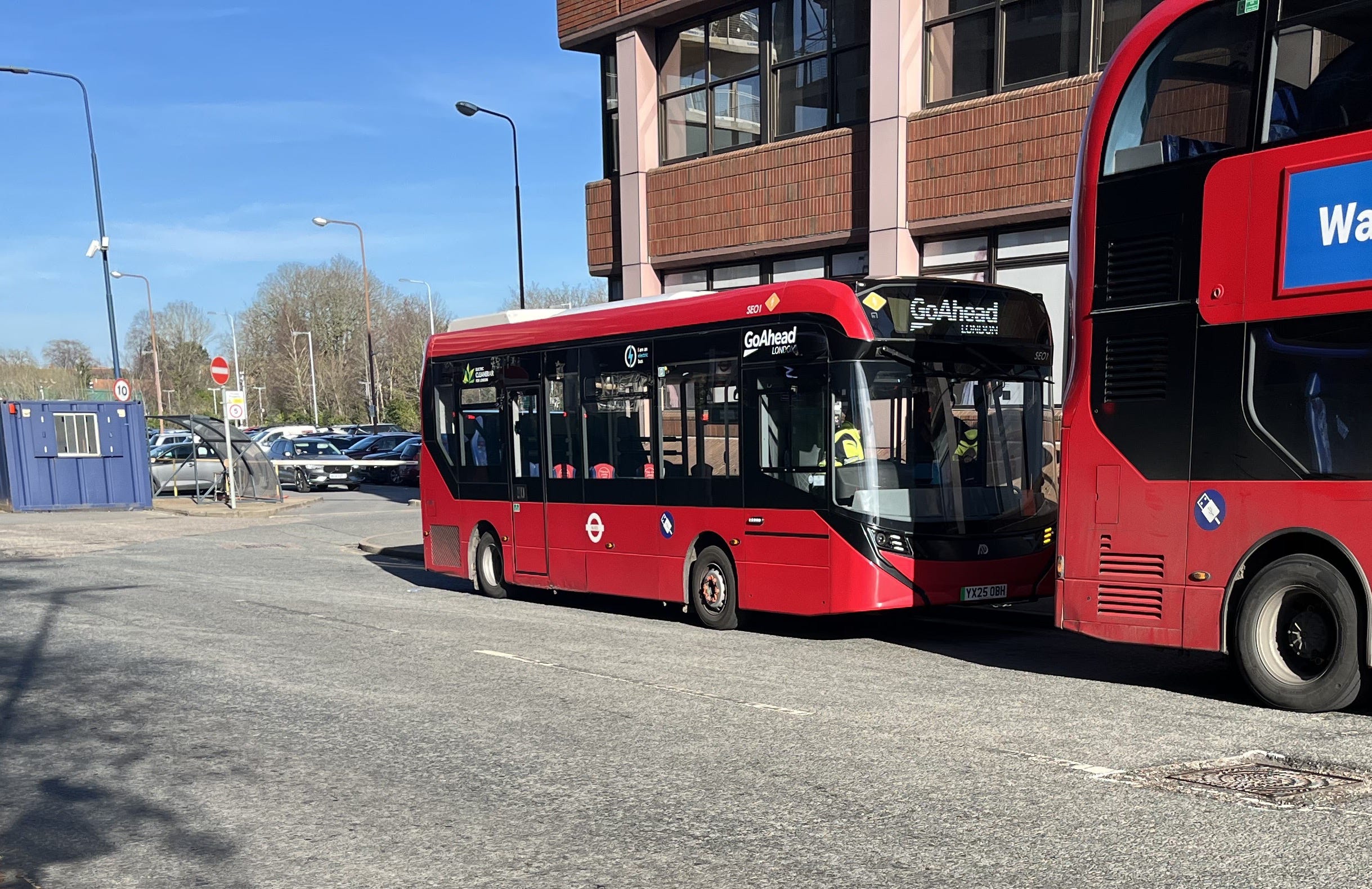
The whole thing was somehow even more underwhelming than the SL2, and I think I made myself a bit ill from sitting in direct sunlight for so long.
SL4 - Grove Park to Canary Wharf
The final route of the day would be the SL4, which is a radial route that runs from Grove Park station (more or less Bromley, as far as I’m concerned) up to Canary Wharf. To get to the starting point for the SL4, I had to take a brief hop on a packed out 126 to Grove Park station, at which point I realised that while the end of the SL4 southbound was at Grove Park, the SL4 end of the route northbound was not.
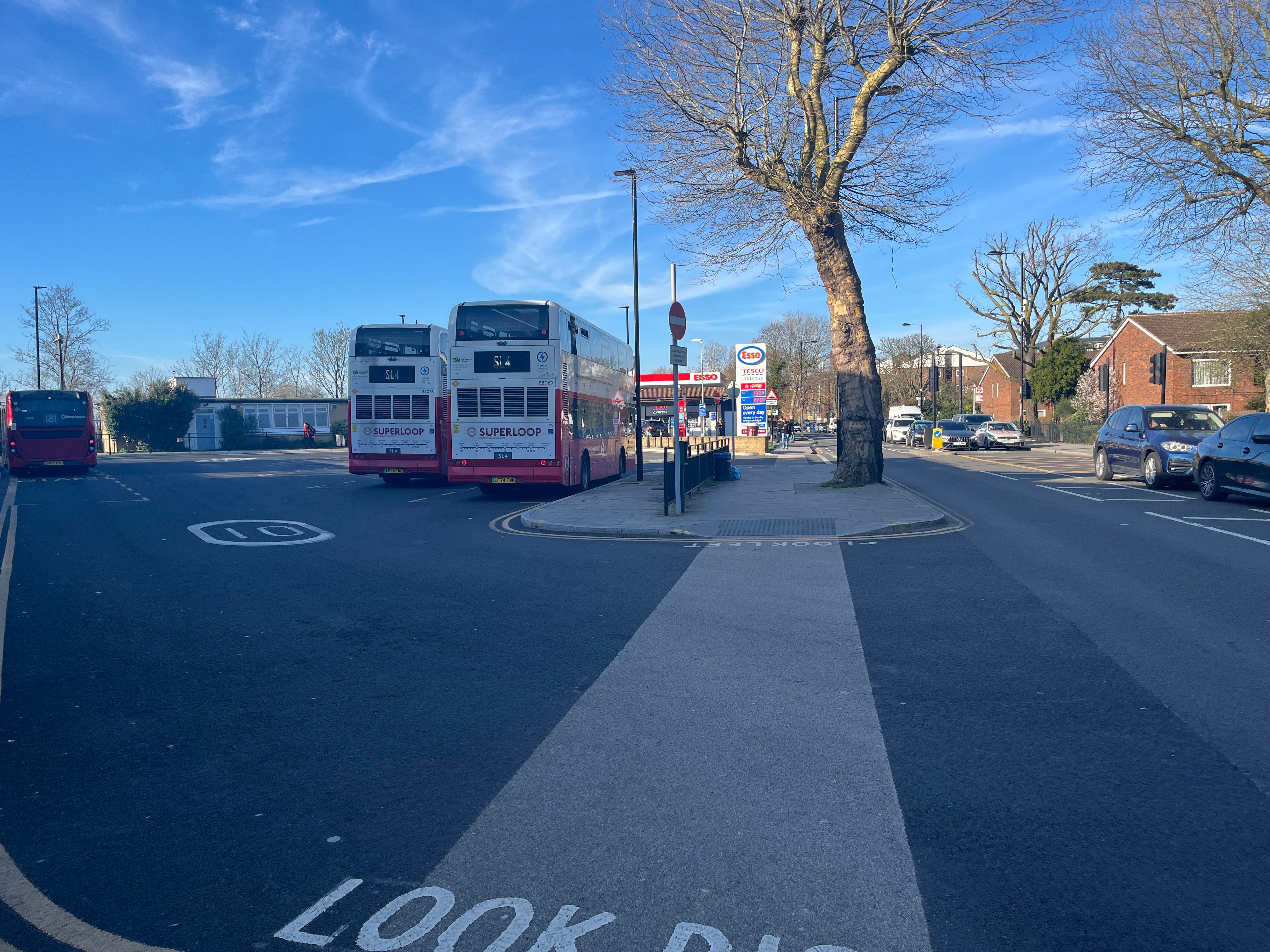
It turns out that the SL4 northbound starts at an obscure bus stop in front of a church a few hundred metres up the road from Grove Park - great. As a result, I saw the bus I was hoping to catch disappear into the distance and after reaching the stop, had to wait for the next one, but fortunately this was only about 8 minutes later.


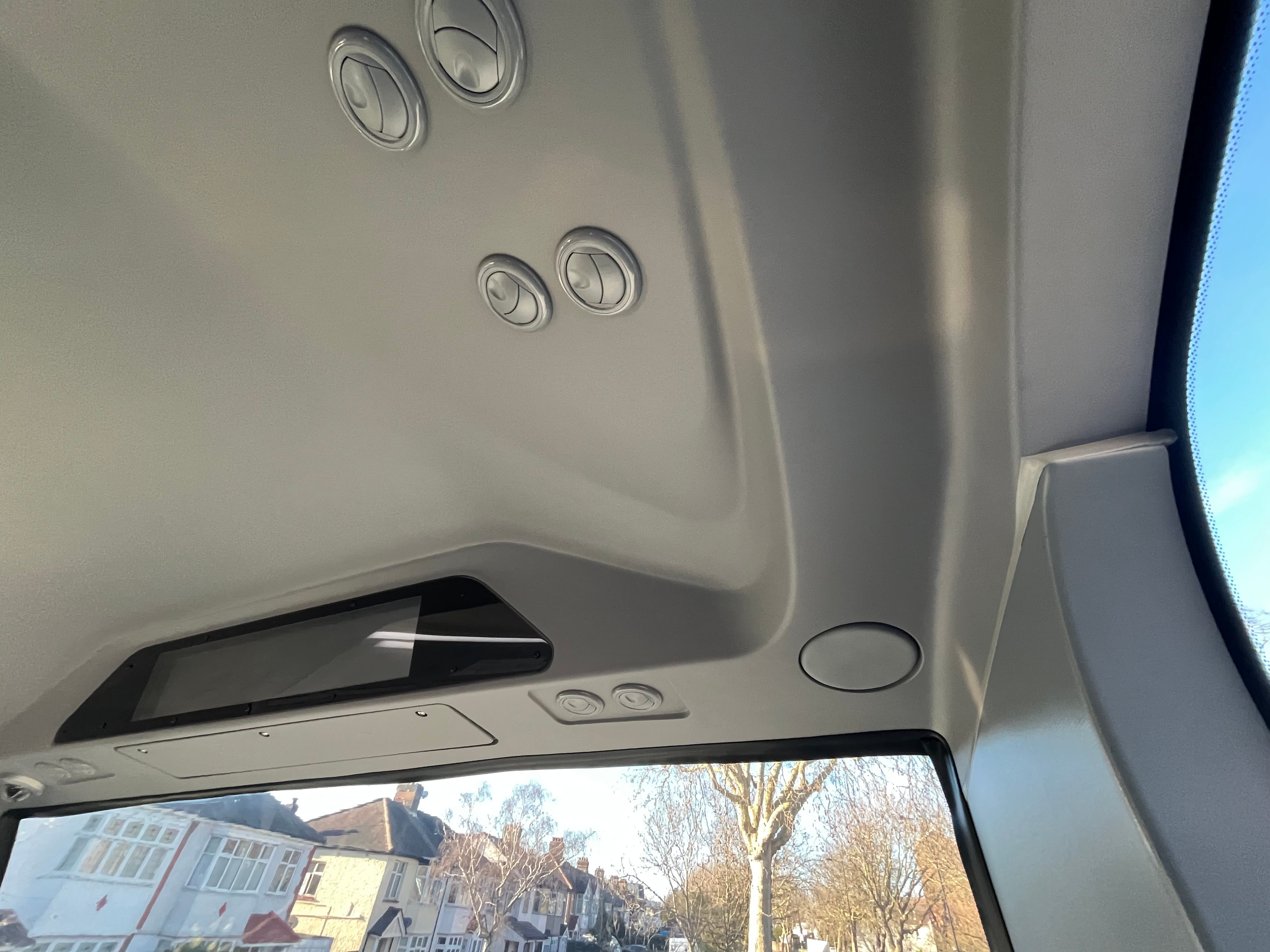
The SL4 uses new BYD BD11 buses - possibly the only buses that would probably look better after a front-on collision (I don’t have a front-end picture for the sake of not damaging my phone camera) - but these were again very comfortable and air conditioned, which continues to blow my mind in London.
The bus headed north along Baring Road, toward Lee station, at which point one guy saw the bus from several hundred metres ahead and decided to run toward it. The driver was clearly accommodating, but as the man reached the bus, another potential passenger - this time a woman - started running again from a similar distance. The driver waited again, but once she got about halfway towards us and became confident that the driver wasn’t going to leave without her, decided she’d just finish the rest of her journey waddling along at a normal pace - it’s OK dear, we’re not an express bus or anything - you take your time!


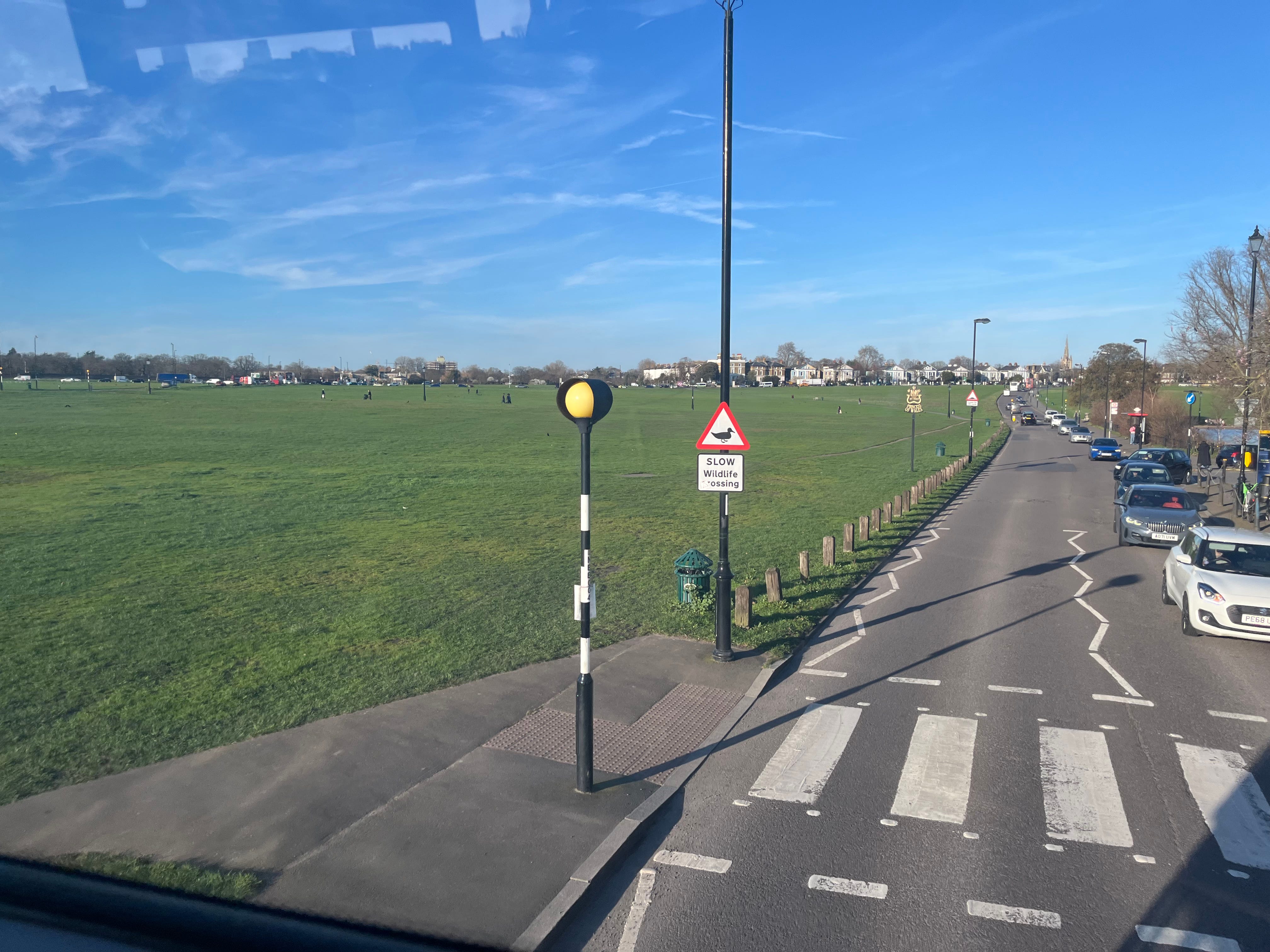
After this, and with two heavily panting passengers on board, the SL4 continued north up to Blackheath Village which is delightfully quaint, and then down a narrow road across Blackheath Common. We sat in a queue of traffic across the common for some time, before reaching Shooters Hill Road and our final stop for the riff-raff from south of the river.
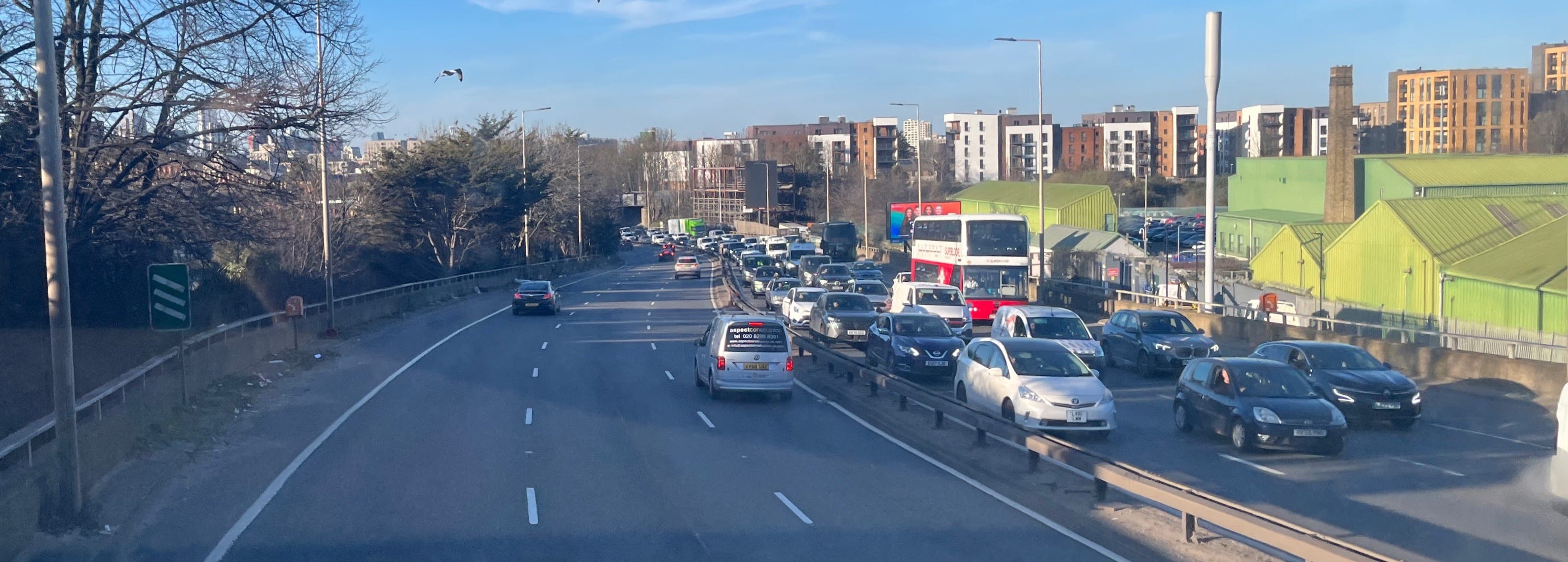
At Sun in the Sands roundabout (what is this name?), we joined the A2, which is a sometimes-six-sometimes-eight-lane dual carriageway that leads up to Greenwich and the tunnels. As we were heading against the peak, we were able to go pretty fast here, but traffic heading in the opposite direction out of the city was gridlocked, with another SL4 going the opposite way stuck in it.
We dipped into the shiny new Silvertown tunnel (for free!), running along the dedicated bus and HGV lane, and resurfaced in the middle of nowhere useful at Leamouth.


The route then tied itself in a knot to serve East India DLR before heading to the Canary Wharf estate, where we were waved in through a special gated entrance to keep out the proles (they didn’t check I was on board). After serving Canary Wharf station, the route terminated at a bus stand just to the west on West India Avenue.


I was more impressed with the SL4 - and even though I took it against the peak on a weekday afternoon, it still filled up quite well - it was particularly busy until Blackheath Village, and once again north of the river from Leamouth. Buses going the other way looked much better utilised, as you would expect.
It offers a clever connection from Canary Wharf to various places in the borough of Lewisham south of the river that would be otherwise quite tedious to get to were the Silvertown tunnel not to have been built, and the only real connection there would be from the DLR at present, or taking a train into the centre proper. The route only really works because of the tunnel and the stretch of A2 that means it’s able to run express along that particular part, though.
Of the Superloop routes that I took today, this was the one that made the most sense, in that it actually had a sizeable, higher speed express section.
At this point, and given I still had a headache from sitting in the sun for so long on the SL3, I called it a day and made my way home by Elizabeth line and Overground.
Verdict
The experience of these routes really brought down the Superloop in my estimations.
It’s a good idea, but you can’t just run an express service where there isn’t suitable road infrastructure and expect it to meaningfully go any faster than a normal one. The SL1 is excellent, as I already knew. The SL2 was infuriating to be running almost parallel to the North Circular but not taking advantage of it, although the connection with the North Woolwich ferry terminal was second-to-none, but doing one of these doesn’t negate the other.
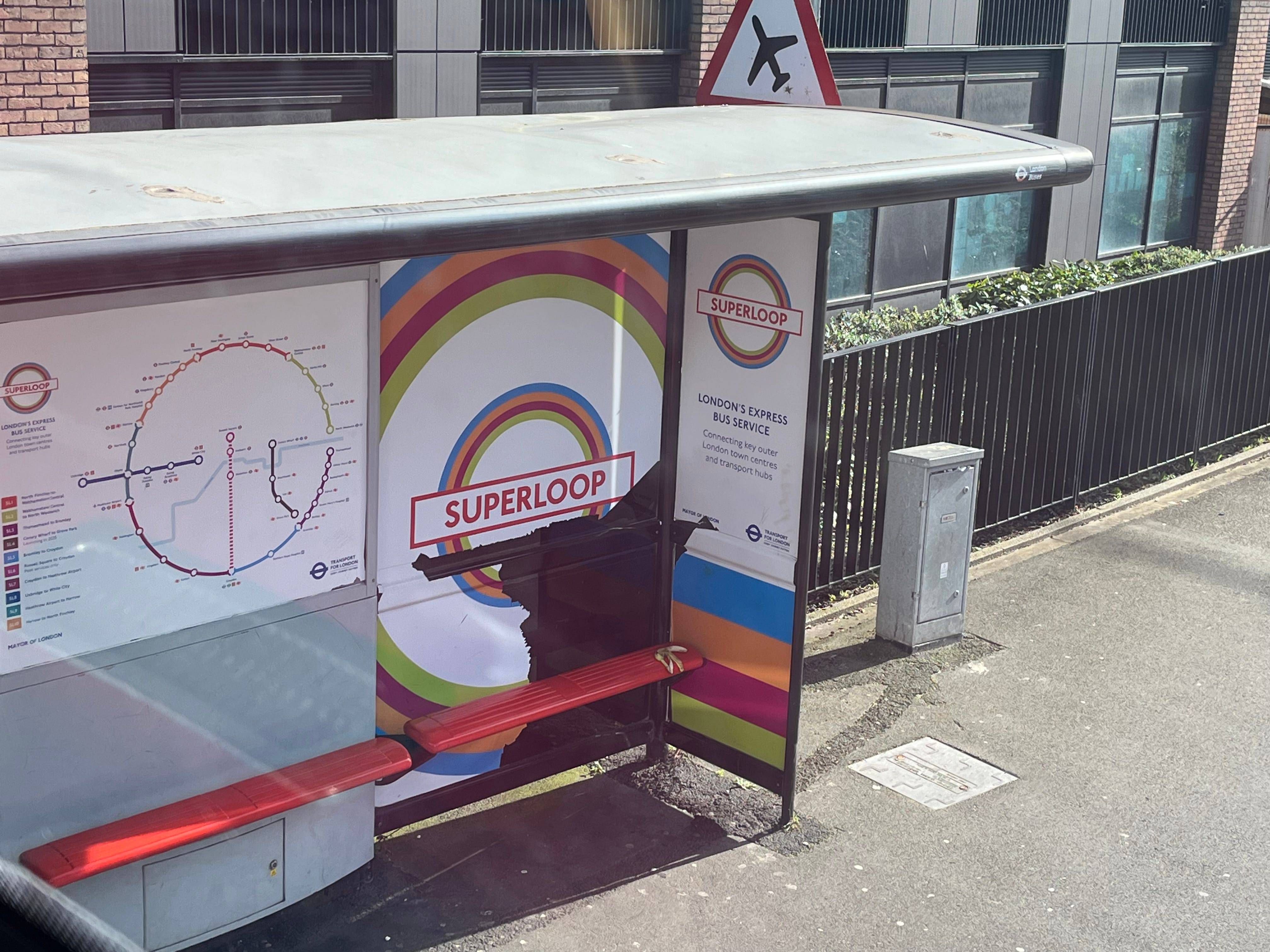
The lack of any meaningful connection to the SL3 south of the ferry was infuriating even though I can see the rationale for connecting Thamesmead, given how well connected Woolwich itself already is - but generally speaking, a loop is supposed to be continuous.
The SL3 itself was a bizarre winding route which in parts felt like I could be in the depths of the countryside, rather than in London. And the SL4… I didn’t mind the SL4, once it got onto the A2 it becomes obvious as to its purpose and covered a lot of ground very quickly.
Each of these routes run a roughly ten-minutely service on weekdays and around fifteen-minutely service on weekends through most of the day, which can’t really be sniffed at. My instinct is that these will get heavily impacted by traffic, though, especially on those parts away from the main road without dedicated bus lanes. The buses are comfortable, too, particularly with the newer high-spec, air conditioned electric vehicles in use on the SL3 and SL4 that will soon become the standard for London.
London buses: Better buses

tl;dr: A new ‘high-spec’ interior borne out of improvements trialled on the 63 falls short in just the way you’d imagine.
These are only four of the twelve Superloop routes currently in operation, but I’m not sure if they really work. I wonder if the desire to make a “loop” means that routes that really needn’t ought exist were invented just to come up with some sort of vague continuity of service. But even then, you can’t get from SL2 to SL3 easily at all, and putting North Woolwich and Thamesmead as opposite one another on the network map is more than a touch misleading. The radial SL4 (as with the other radial routes BL1, SL6, SL8 and SL11) doesn’t in any way form part of the loop - so the Superloop branding just feels misplaced here.
This is where I feel like a Superloop tier list might be in order, but that would suggest I was going to take the remaining routes, and after the experience of SL2 and SL3, I’m really not sure I want to subject myself to it. Maybe someday, but not any time soon.
If I were to try and come up with a clever-sounding point, it’d be that the Superloop can only ever be as super as the roads and infrastructure it runs on.
Right: foamer mode, deactivate. Your regularly scheduled moral-high-grounding and ranting about things that probably don’t matter shall resume shortly…