

This post title will not show until it is five minutes away.
It isn't good enough, but it's being fixed.

tl;dr: One of the best consequences of upgrading signalling systems probably isn’t as appreciated as it ought to be.
A few days ago, while feverishly tapping out a post about a water bottle filling station on my phone, I missed my stop at High Street Kensington for the Design Museum and found myself at Earl’s Court as a result.
OK, no harm done - I can just get a train back up, so I got myself over to the other island platform and looked up at the screens.
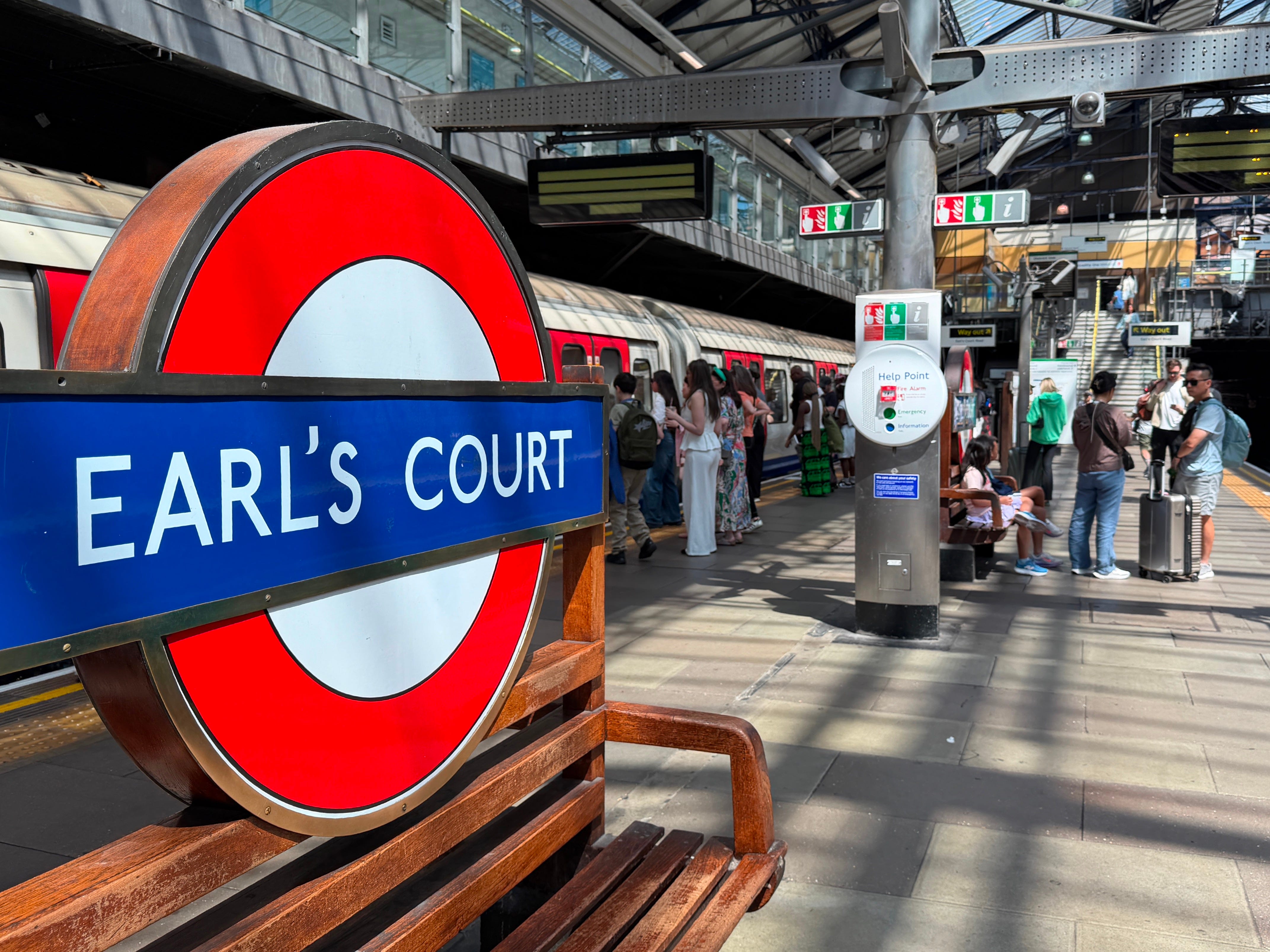
But for trains running up the District line branch toward Edgware Road, the display was blank. Accompanying it were repeated automated announcements: “Edgware Road trains will not show on information screens until they are five minutes away.”
Eh? It’s 2026!
Edgware Road.
A few years ago I had to commute via Liverpool Street to Notting Hill Gate, and I generally chose to do this using the Circle line because, well, it’s not the Central line. This meant changing, daily, at Edgware Road.
Edgware Road lies in a fairly difficult corner of the subsurface network, and thanks to the decircularisation of the Circle line, can be a little bit tricky for newbies. Circle and Hammersmith & City line trains pass through the station between Hammersmith and the City, but Circle line trains via Victoria also originate here, alongside District line trains to Wimbledon.
In the simplest possible form, taking out all of the clutter and what little geographical reality remained in the Tube map, it looks like this, with Edgware Road at centre-top:
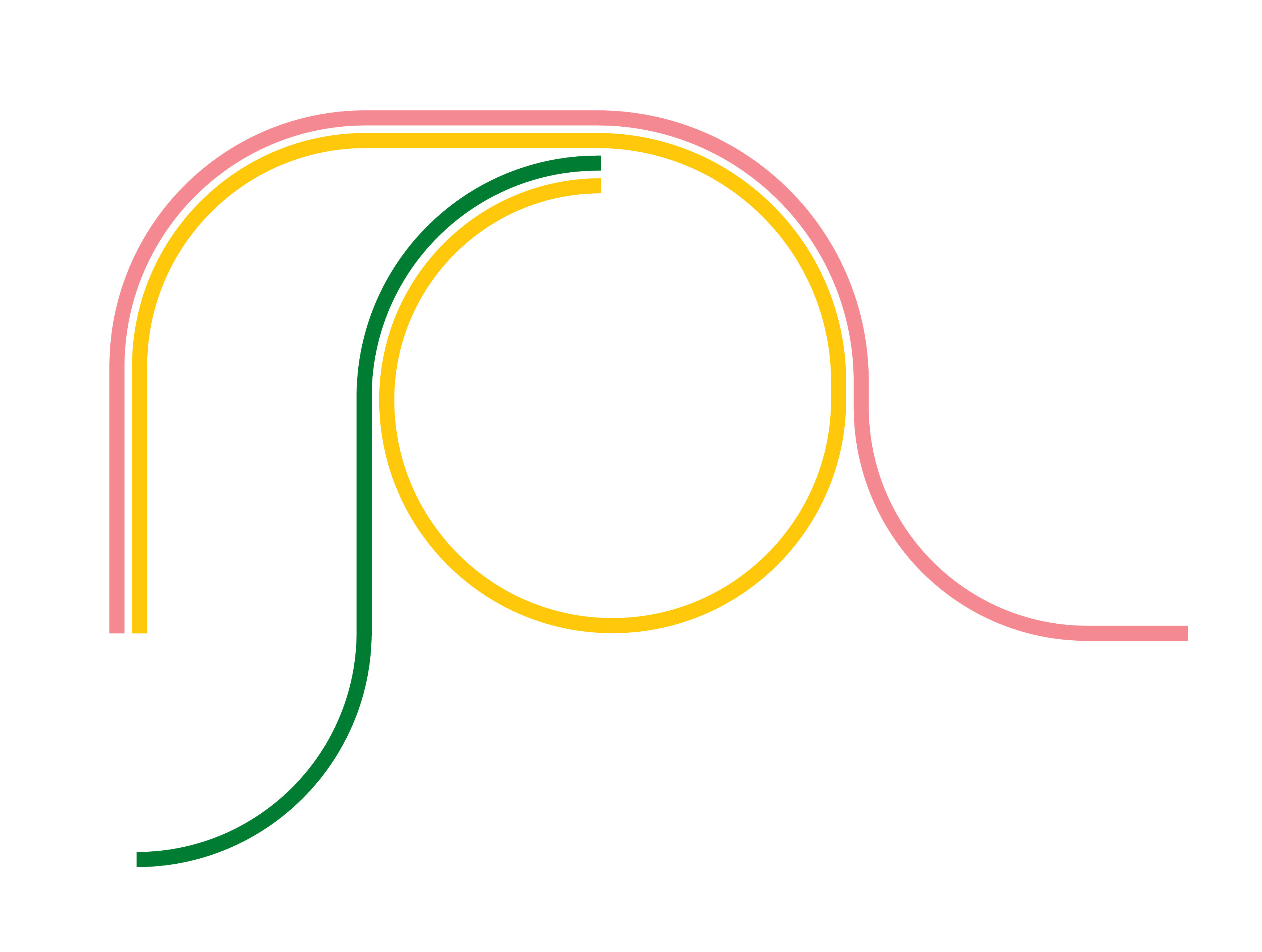
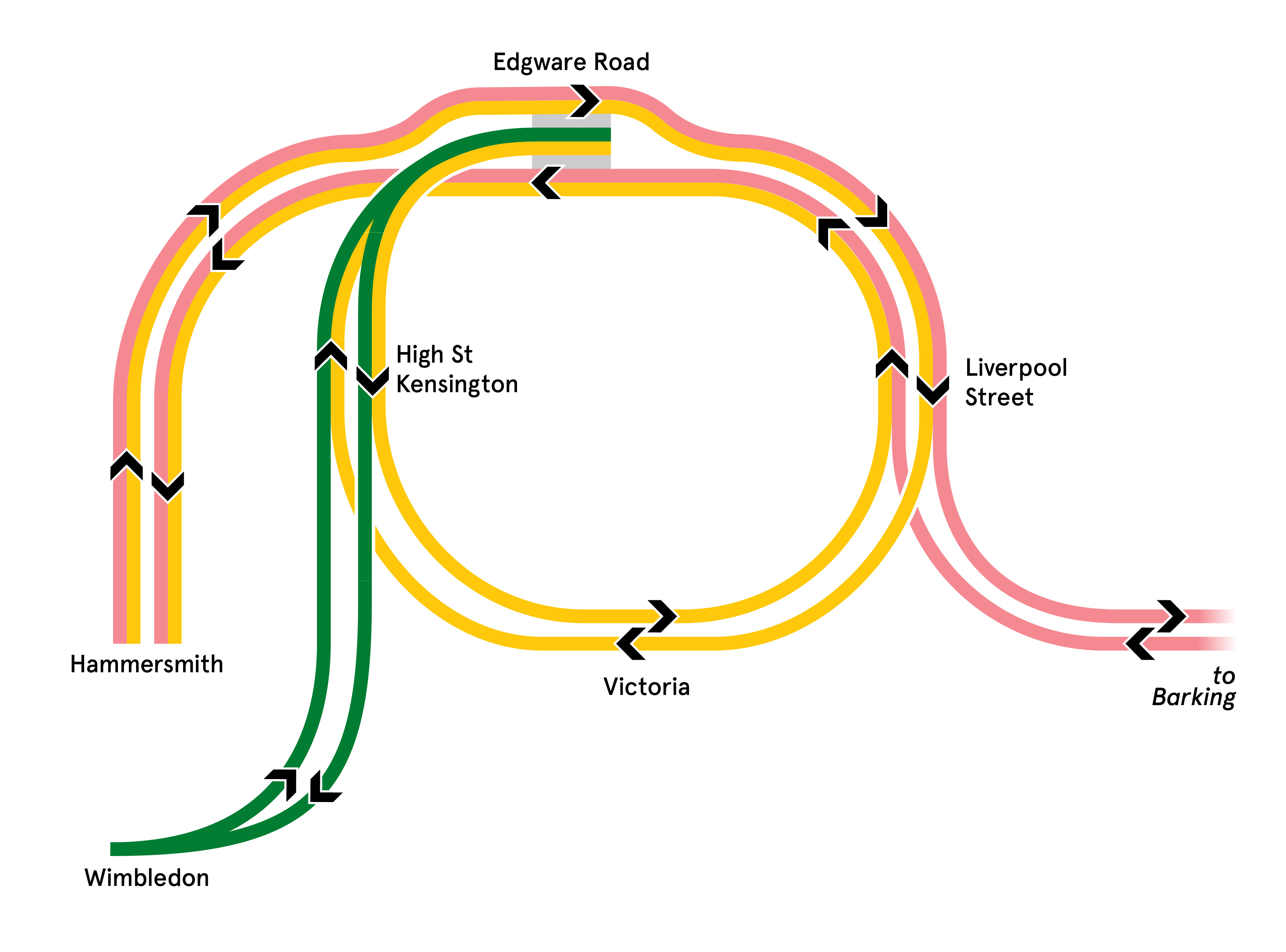
Got your head around that? Good. So at the actual station, there’s two islands, which means that there are four platforms for trains to stop at. The outer two are used by Circle and H&C trains going in either direction. The inner two are used by Circle and District line trains which are terminating there. Trains from the inner two go down via High Street Kensington either around the Circle or to Wimbledon.
So really, it looks more like this:
The problem.
In my morning commute, this meant taking a train along to Edgware Road, and then changing for any train that was going to head down toward Notting Hill Gate (which I have helpfully omitted from the above map, but is just before High Street Kensington.)
Of the two inner platforms, one is generally used by Circle line trains, and the other by District line trains. And these run roughly every 10 minutes each, meaning there’s a train every 5 minutes on that part of the line.
When I arrived at Edgware Road, I would look up at the screen on the adjacent platform and… oh wait, it’s blank. The other platform? Oh, also blank. Or maybe there were trains in either central platform and you couldn’t really tell which would leave first. Trains would appear on the screen eventually, but often only just as they were arriving.
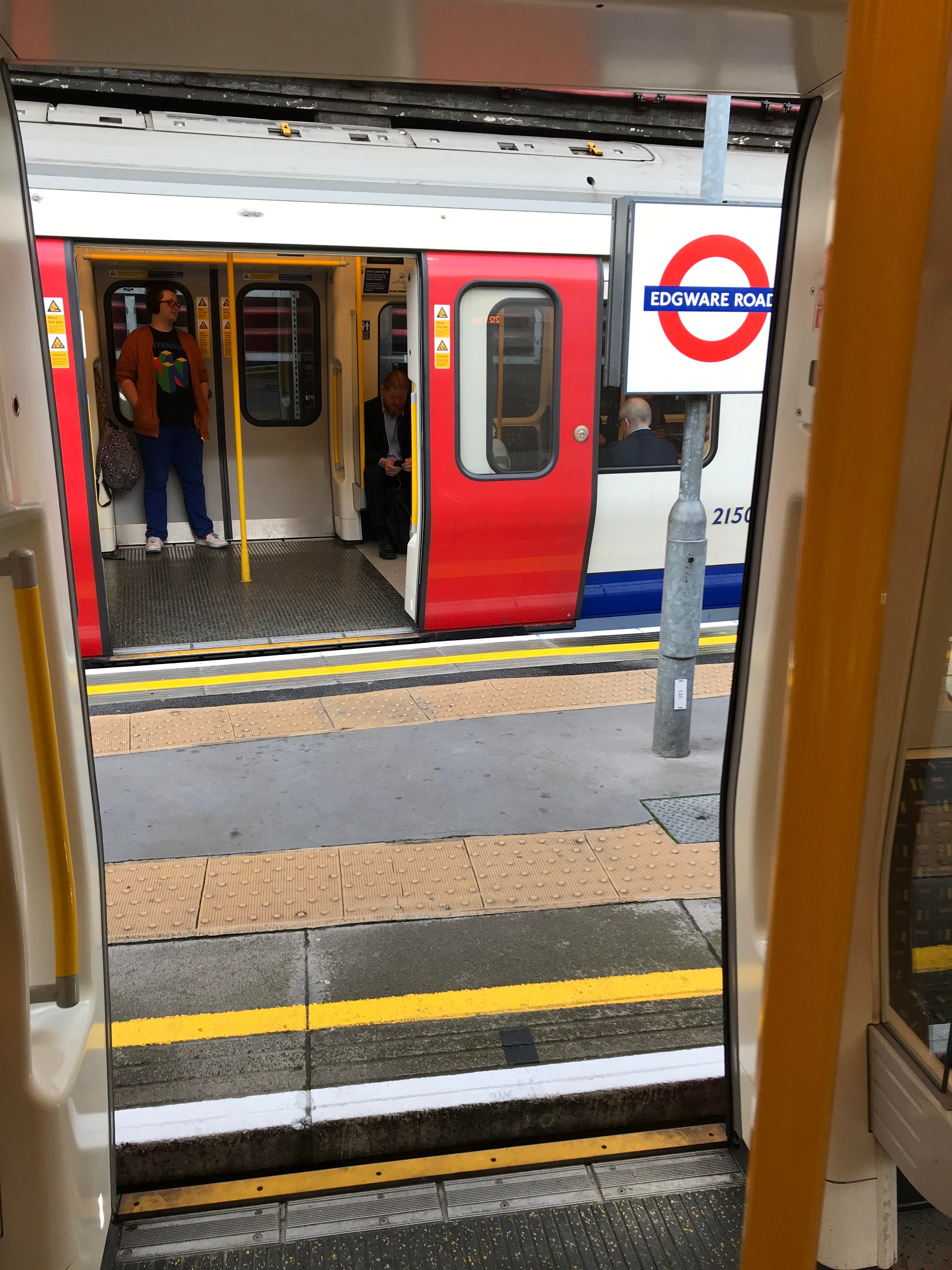
Edgware Road was also a festive feast for passenger information ingenuity. At the main entrance, up a flight of stairs, they had next train displays (for which there are various internal jargonistic and antiquated names that add nothing and I don’t particularly want to entertain) for each of the four platforms. And at various other places in the station, they had a CCTV camera feed of those very same displays shown on a monitor - which, uh, OK:
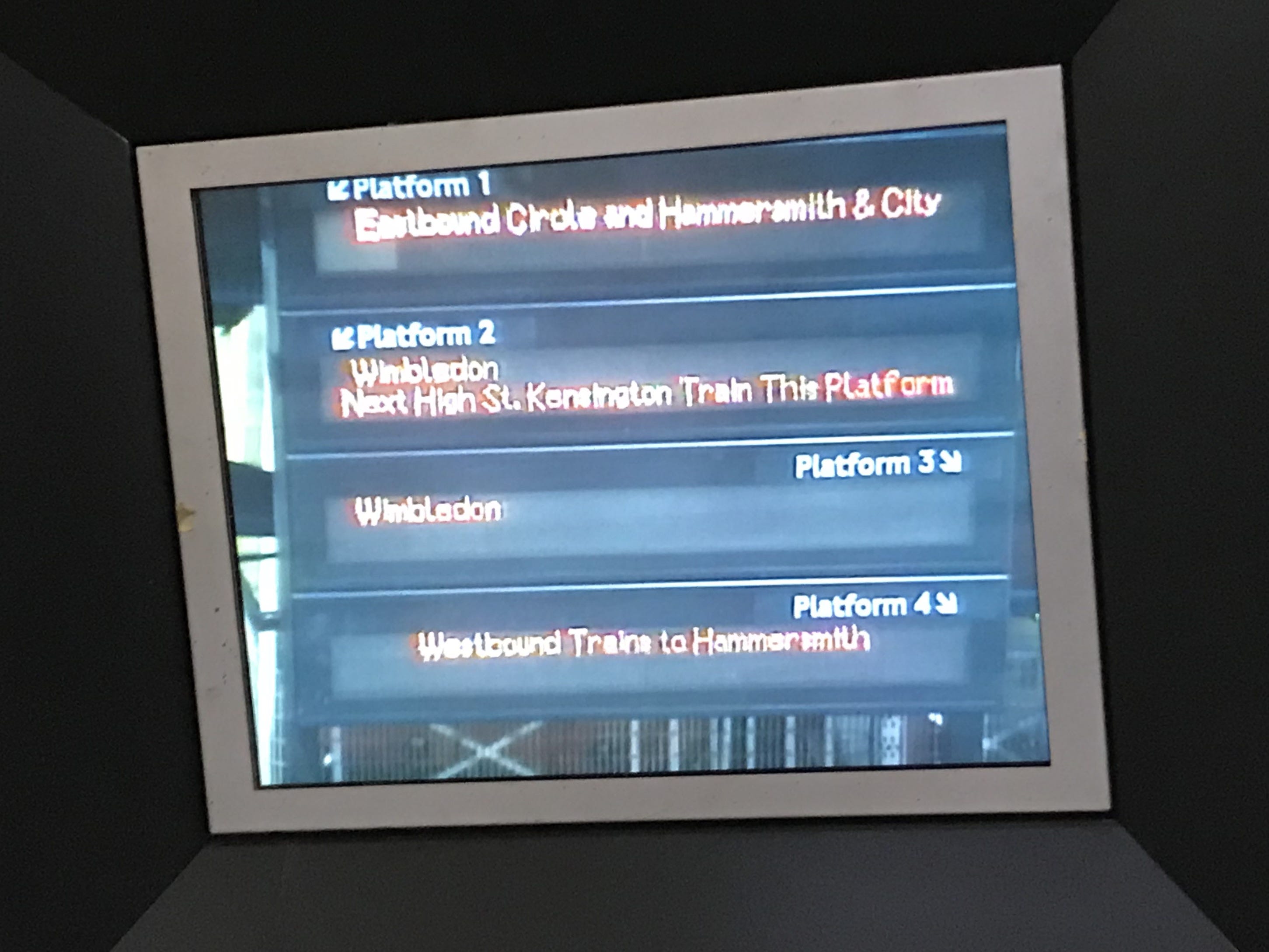
The same information was shown on the screens on the platforms themselves.
Now, you might think “It’s fine, I can just pull up CityMapper or whatever on my phone and see when the trains are coming.” except, no, you couldn’t, because CityMapper didn’t know when the trains were coming either. In fact, no app did, because the TfL APIs didn’t know - the underlying “train describer” systems didn’t know, apparently, at least until trains were pretty close by.
“Can I advise passengers waiting for the Circle on platform 3 I've been informed it's now going to arrive behind you on 4. Passengers on platform 3 please turn around and your next circle line is going to arrive on platform 4.”
And this was how we lived.
Upgrades.
Edgware Road is on part of the Underground that opened as the Metropolitan Railway, and dates back to 1863. And while the signalling systems in use in 2019 were not quite so old, they were nonetheless, old.
The subsurface lines - Metropolitan, District, Circle and Hammersmith & City - have all been part of an upgrade programme known as 4LM or “four lines modernisation”, which first saw the introduction of the S stock trains throughout the 2010s. But equally important was a very, very long programme of signalling replacement.
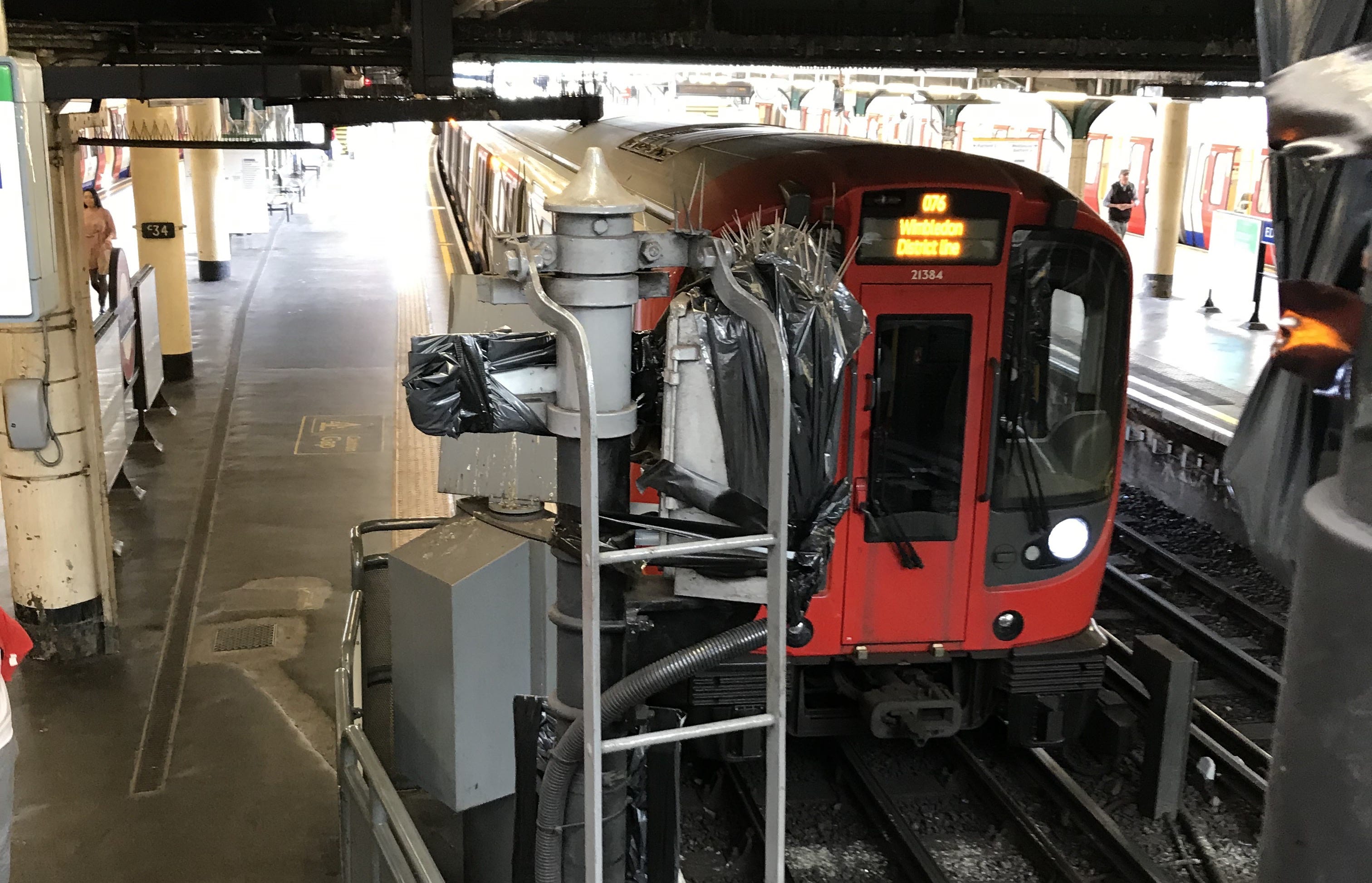
From what I can remember, there was a lot of drama as this project was passed from pillar to post by suppliers who perhaps underestimated the complexities of upgrading the world’s oldest underground railway and backed out at the last moment or failed to deliver. There was a lot of interesting coverage of the whole saga, which I had been worried had since fallen off the edge of the internet, but fortunately has not.
In the end, the work was undertaken by Thales (which is not pronounced like ‘fails’), and despite being over a decade delayed, is almost finished.
Without getting into the technical details, this allows trains to be driven automatically and to run more frequently and closer together. Most importantly as far as I’m concerned, though, it means we’re able to know where those trains are and when they will get places.
The whole subsurface network was divided up into sections known as Signal Migration Areas (or “SMAs”), each of which had equipment installed and tested before going live. Trains went from manual operation to computer-says-go 0 to 100% acceleration.
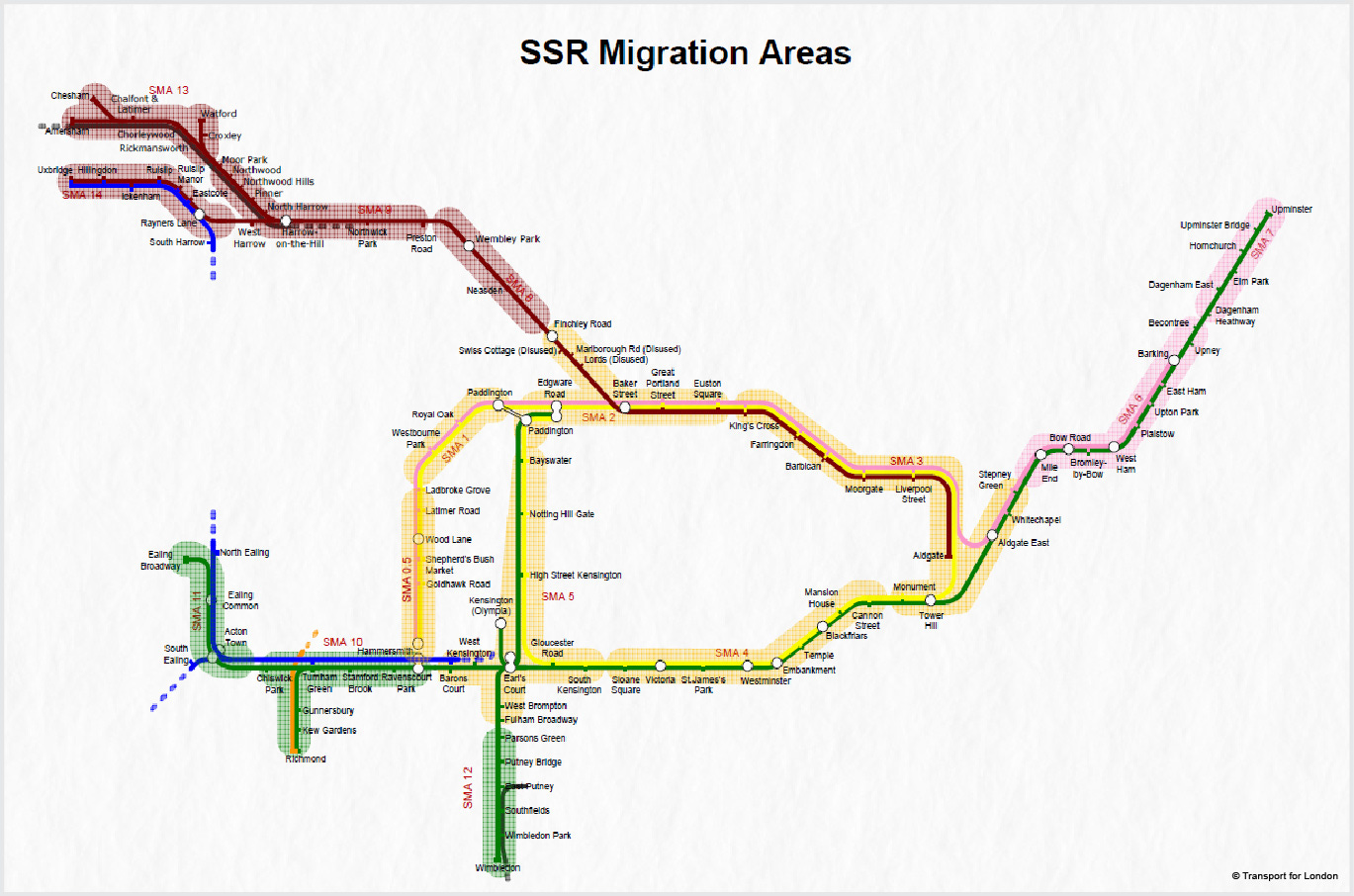
The section with Edgware Road, known as SMA2, covered the stretch from just before it to Euston Square, and also the Metropolitan line up to Finchley Road, but didn’t include the line down toward High Street Kensington.
After a bunch of weekend closures for testing and meticulous application of bin bags to old signals, this section went live in summer 2019.
And then there was information.
To the observant passenger, the biggest change was that all of a sudden the next train indicators (and ancient ones at that, with red LEDs) were showing not only the next departure well ahead of time, but also the one after, and maybe even the one after that. Cor!
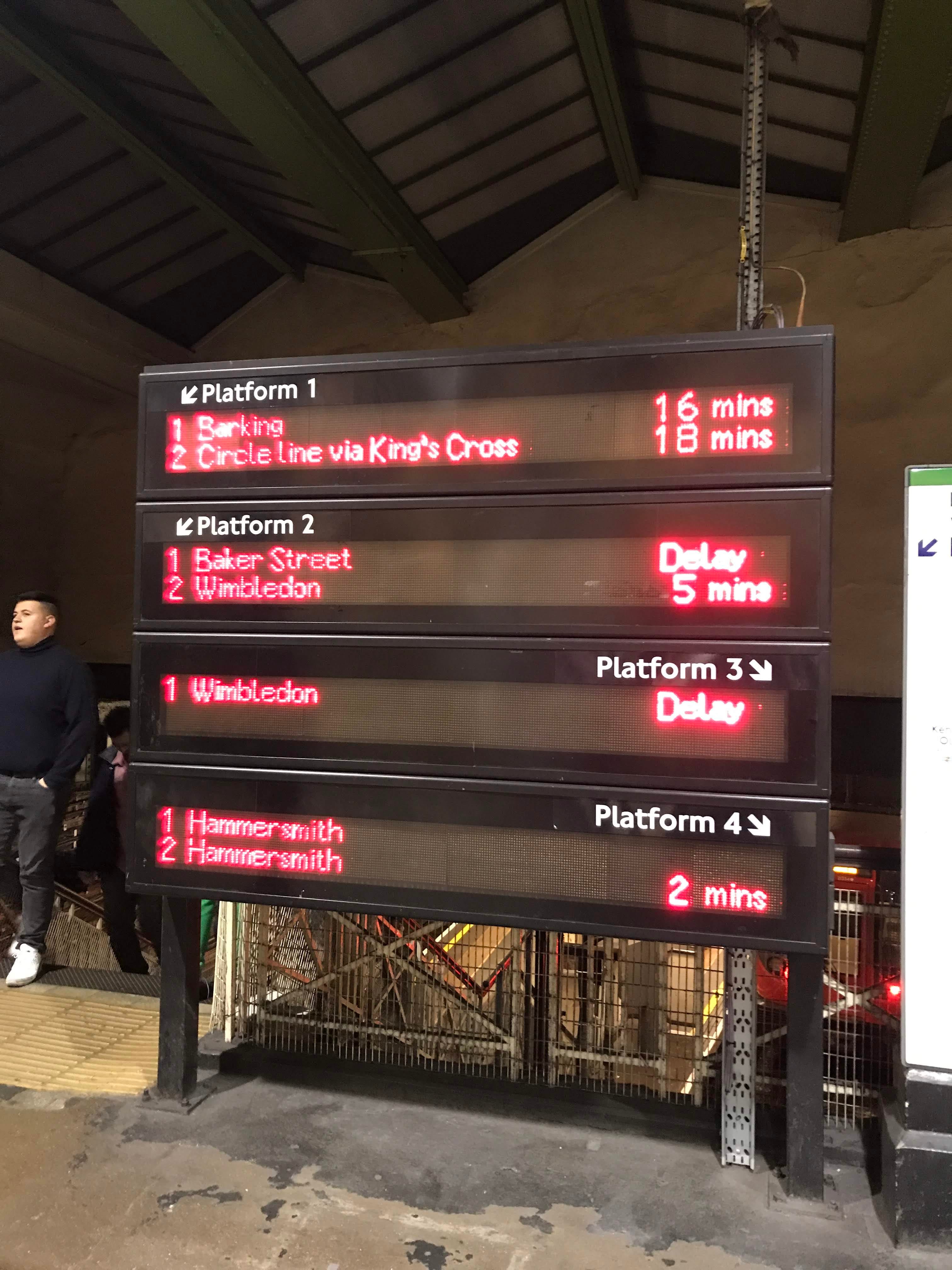
Until the switchover, these screens had been significantly less useful than they miraculously became that day. The system now knew when a train would arrive (so long as it was anywhere between Hammersmith and Euston Square), and so could tell you about it.
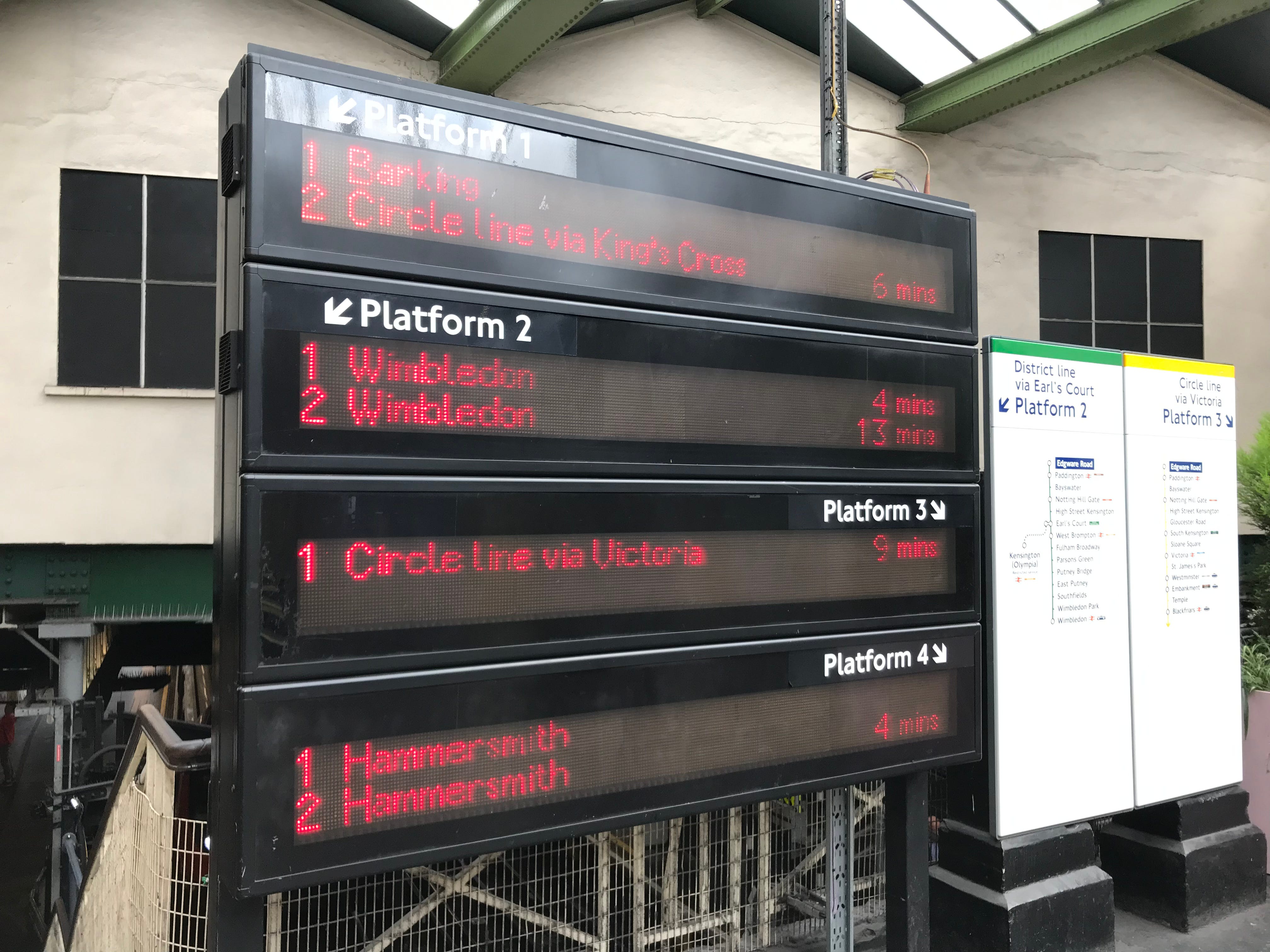
On the face of it, it seems a bit silly to be so excited by some screens actually showing the information they were always supposed to. And in some respects, it is. But it shows the limitations of how the network was working on older signalling and “train describer” systems, and how frustrating not having the right information as a regular passenger can be.
Back to Earl’s Court.
In the time since then, the vast majority of the subsurface network has been moved over to the new signalling system. And so, at Earl’s Court, how could we possibly not know when trains from Wimbledon (i.e. those that generally go to Edgware Road) will arrive until they’re five minutes away?
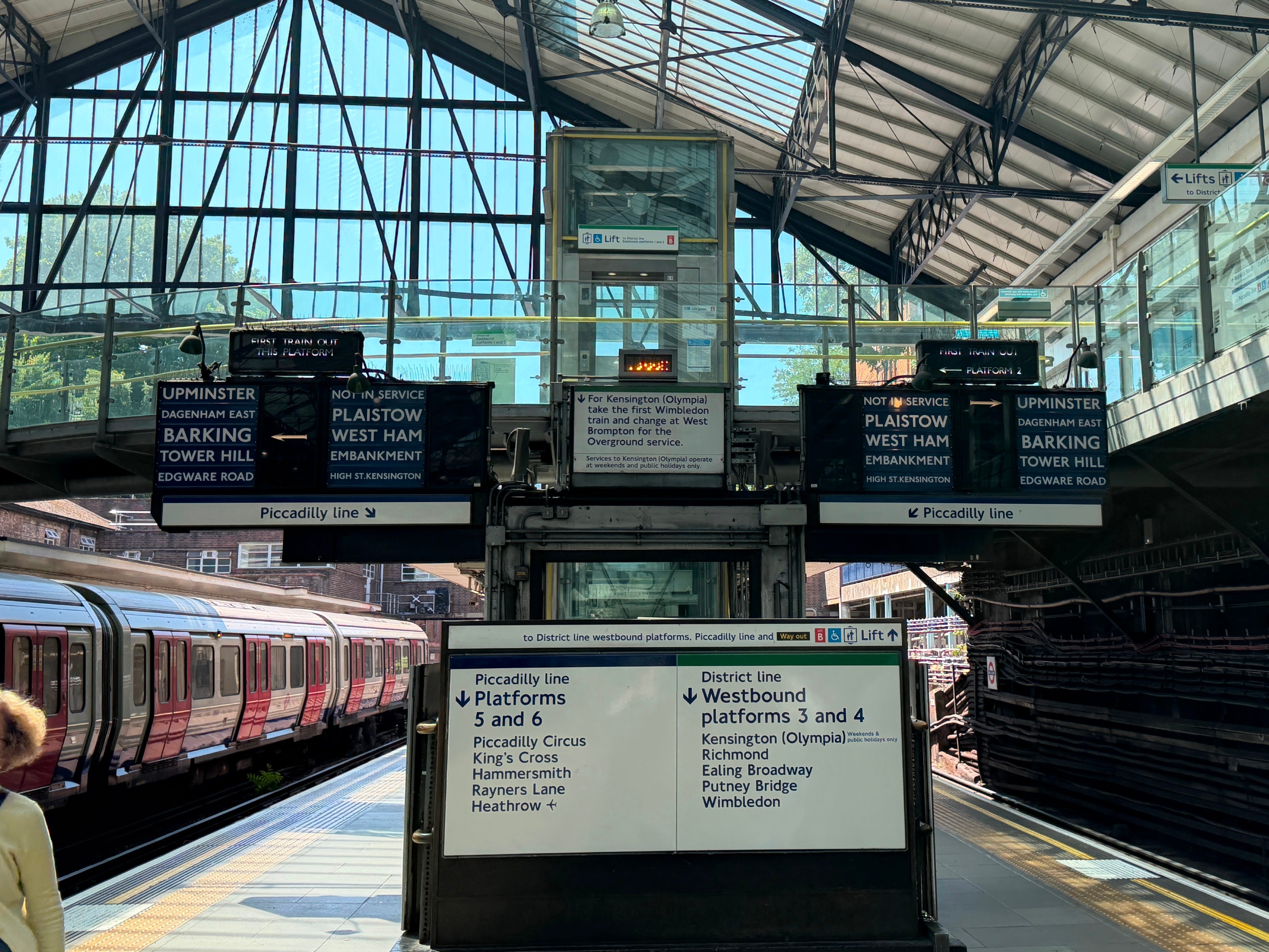
I won’t lie that once the sections I used were transferred over, but also once I was no longer a regular on that part of the Tube, I stopped really thinking about the project and following along, and so I’ve had to do some research.
It turns out that the tracks between East Putney and Wimbledon are shared with main line services (a handful a day, although the only stations are for the Underground) and have big-boy signalling that is looked after by Network Rail. The signalling as far as Fulham Broadway (three stops closer to Earl’s Court than East Putney) is all on the Underground’s new system and has been since 2022, and that is - you guessed it - five minutes away from Earl’s Court.
In other words, one half of the Wimbledon dingleberry just doesn’t talk to the other.
What does this mean for passengers?
This is the bit that really counts, as far as I’m concerned.
Well, on the face of it, it means that passengers can’t know when an Edgware Road train is coming until it’s five minutes away. That’s a bit pants.
From what I can tell, this part of the line is also particularly unreliable and prone to regular signal failures (remember those?) and cancellations. I found this campaign website Fix the District that has a great explainer and is pushing for this part of the line to be improved, and I’ve no doubt that if I lived in that part of London, this blog would be entirely dedicated to the very same cause.
What’s being done?
Well, the section of the line between Fulham Broadway and East Putney (the easy bit that isn’t shared with main line trains) is being upgraded to the new signalling and due to go live this year.
Great - at Earl’s Court, they can change the announcements to “Edgware Road trains will not show on screens until they are ten minutes away”, which might not actually be worth announcing for a ten-minutely service.
As a bonus, though, there’s also work on an integration between Network Rail’s signalling and the Tube’s systems to allow accurate predictions of when trains are going to arrive. And that’s a massive win.
I mean, when things are working we can literally see where the trains are in the sections between East Putney and Wimbledon from Network Rail’s public APIs, so some level of data is there and could theoretically be used to better inform passengers, right? That’s a very different thing to linking together signalling systems which are fundamentally about safety. Anything is better than nothing.
End.
Not being able to tell passengers that a train will arrive until it’s five minutes away isn’t really up to scratch in 2026. All you know until a train appears on the screen is that there might be a train and that it will be at least five minutes away, and that’s not good enough.
And clearly they know this, which is why they’re making those announcements at Earl’s Court. This lets passengers know that the railway itself doesn’t know, and is better than a system which falsely implies there are no trains coming at all.
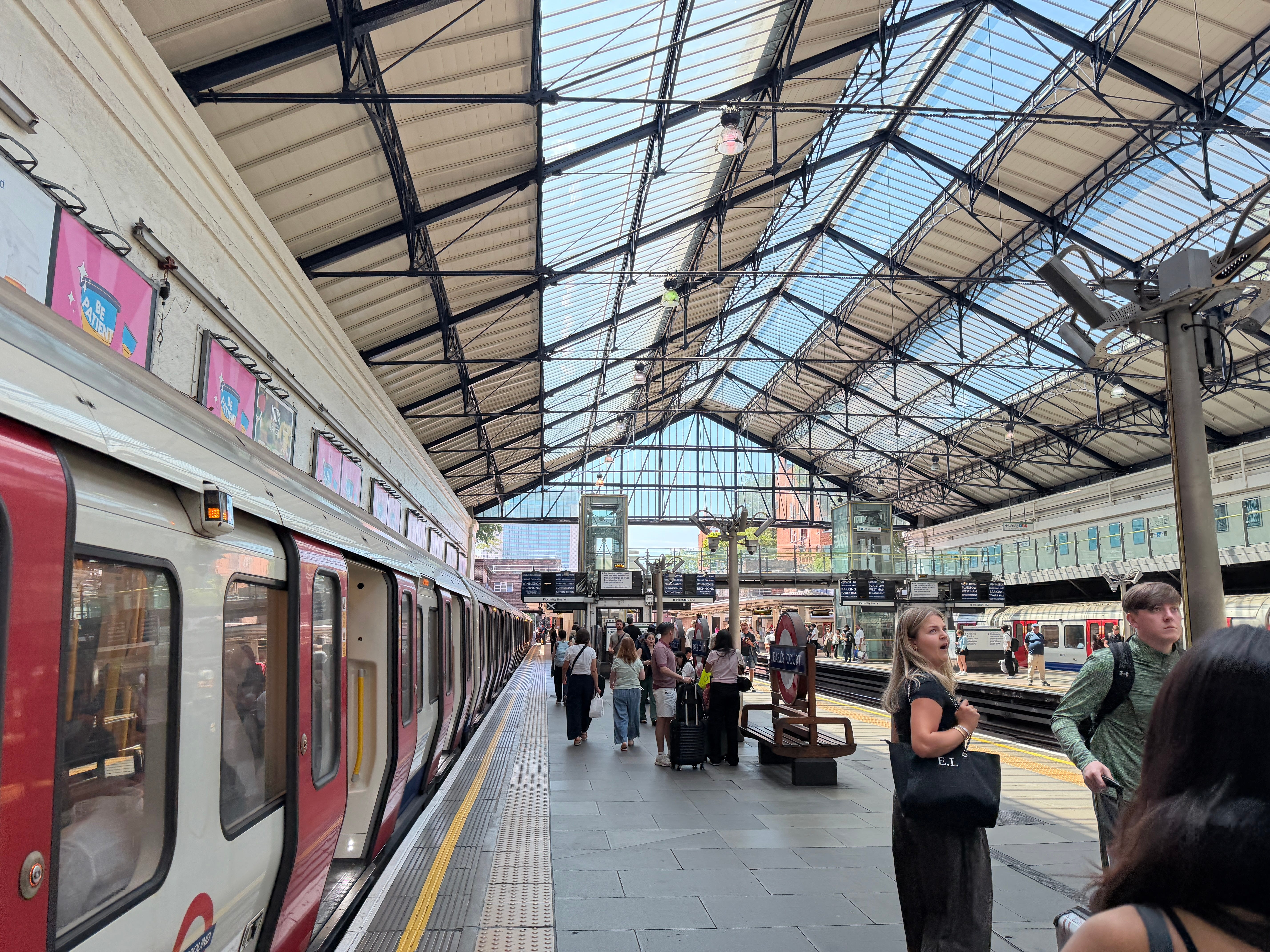
I’m unimpressed that this is still the case right now, but seeing as there’s a solution on the horizon, at least it won’t be for much longer. I should add that I’m grateful for the work not having been completed yet as I otherwise wouldn’t have had a post to write.
Another post on London Underground passenger information systems:
First train? Who could say...

tl;dr: The replacement of a 1960s ‘first train’ indicator introduces friction for every passenger who uses this busy station, and it’s not clear why.