

Side note: On truth and trust.
Bad passenger info has consequences.

tl;dr: Making the point of my “The bus wasn’t coming.” post explicit.
A few months ago I wrote a rather dark post about an incident I had at a bus stop in 2022. I told the story, and left the point of why I was doing so implicit and mostly unsaid. Now I think it probably deserves to be said.
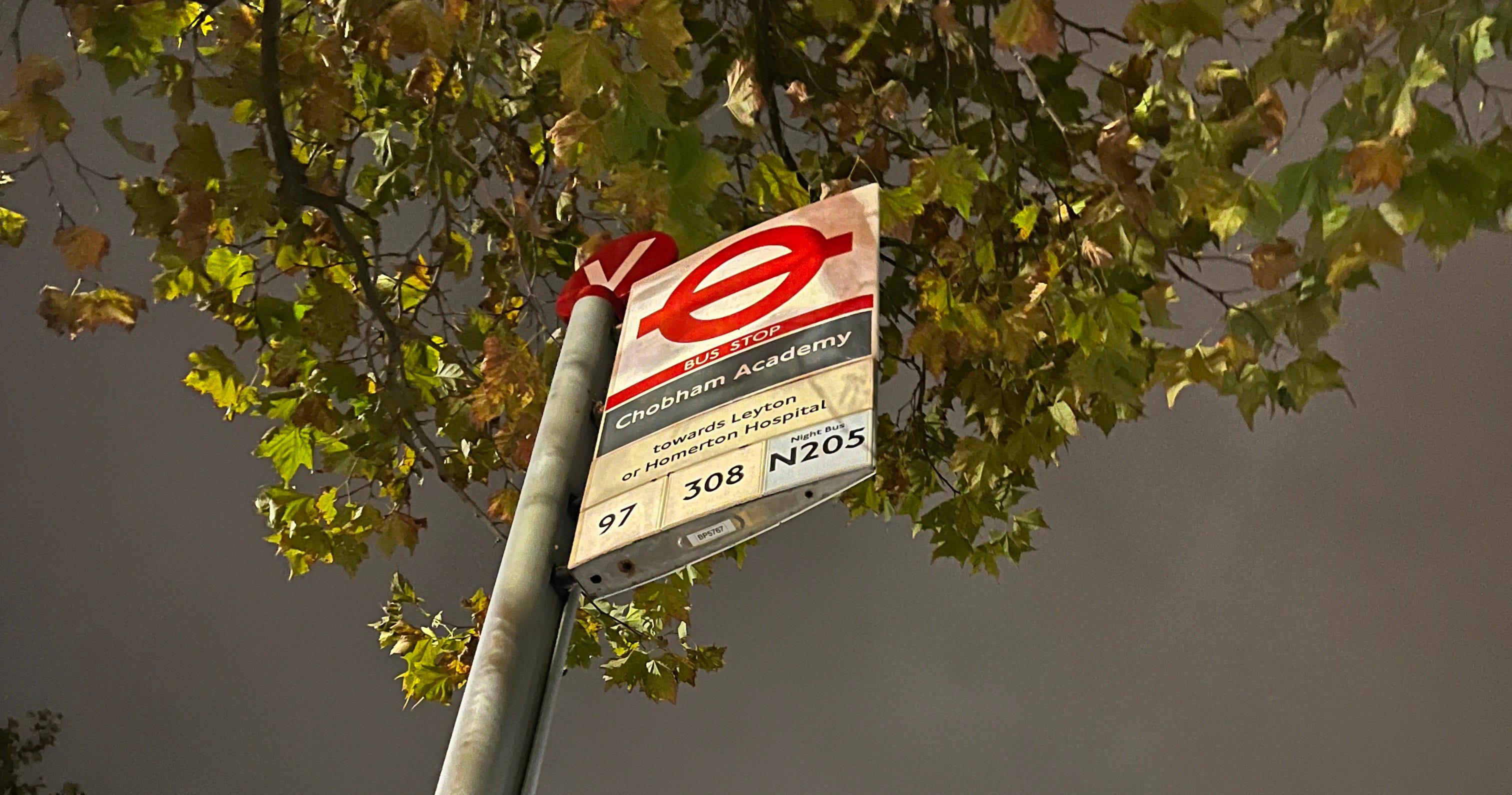
The long and short of it is that I found myself waiting at a bus stop on a summer’s evening for a bus that wasn’t actually coming.
I won’t go into the details of what happened (I cover these in the post) but through a frankly outrageous ten-minute-long ordeal, I became phoneless. The reason I was there, and the reason I stayed there despite the bus not arriving as expected, was that the app on my phone said it was coming.
I later found out that the bus was actually on diversion. The whole time, I’d been frantically looking up at approaching traffic, holding out for my saviour in the form of a bus that was never to arrive.
Why I wrote the post.
I didn’t write the post to garner sympathy from readers.
I wrote the post because I think the point it was trying to illustrate is almost too perfect for what I like to write about here:
I found myself in a vulnerable (and frankly, easily escalatable to life-threatening) situation indirectly because I placed my trust in what CityMapper on my phone was telling me (which is based on TfL’s live bus arrivals API).
The bus stop I waited at did not have a Countdown screen, but had it done so, it too would have shown the bus as due given they presumably share a data source.
By the way, my very first post on this blog was part of a series about Countdown (which is the name of the arrival screens you’ll find at bus stops in London) and how they’re not quite as useful as they first seem:
Countdown: Useful, but only some of the time.

tl;dr: Countdown makes a subtle but crucial mistake in prioritising of arrivals info, resulting in reduced utility and wasted valuable seconds for passengers.
I still recall to this day that, once the ordeal was over, my next thought was to when the bus was going to arrive, and that I would just continue on my way home. The whole time, I had been thinking about the bus arriving as some form of saviour. The penny had not dropped that I had been misled.
What the point was.
Naturally I can’t fully blame what happened on TfL. But I can certainly say that had the information shown to me been different, I likely would have acted differently. What happened wasn’t the tracking’s fault, but it influenced the decisions I took.
Had there been no live tracking, I may have walked to another stop, or taken a different route. I certainly wouldn’t have waited at a stop where it was ambiguous as to whether or not it would be served. I would have been far less confident when the stranger waiting at the stop had asked me when the bus was coming.
I emphasised in the post, but the live tracking information for a bus is presented as truth. Not a plan or an intention, but what is actually happening. Presenting that information, therefore, carries responsibility.
This means that this information cannot be allowed to be wrong because someone forgot to update something when a diversion was put in place. Incorrect information presented as truth has consequences, as I found out.
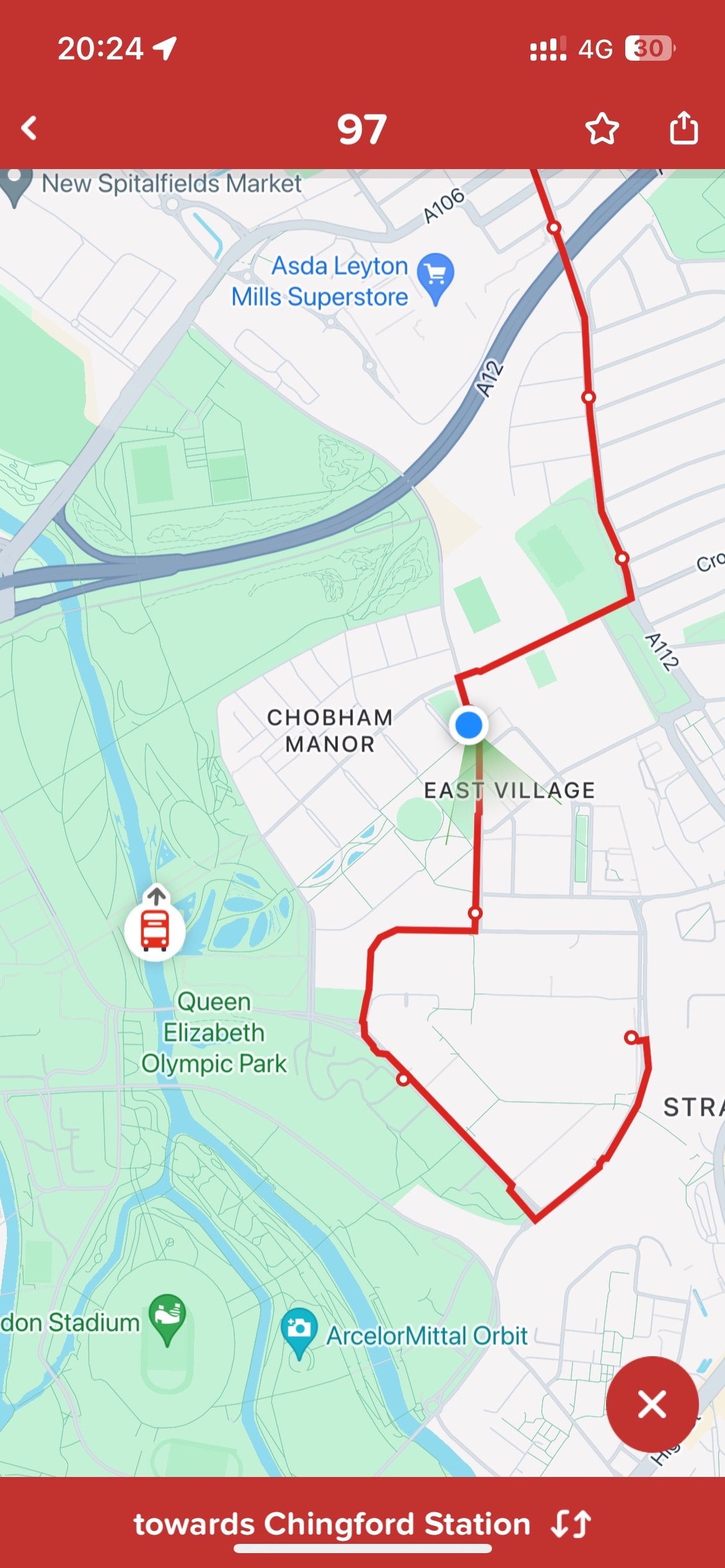
It’s far too easy to dismiss what happened here. Buses the world over have timetables and frequently run late or not at all. We understand this and we take this into account when we take the decision to wait at a given stop.
But this wasn’t a paper timetable in a shelter. It was positive confirmation - assurance, if you will - that the particular bus I wanted to catch existed (presumably with wheels, a driver and so on), was coming, and would arrive momentarily. That is a totally different thing, and isn’t trivial.
This incorrect information not only influenced me to wait at that bus stop, it also gave justification for me to stay there when the bus didn’t arrive as expected, and left me believing that safety was just moments away.
This can’t happen. To me, or to anyone else.
(If you can’t tell, I’m still quite indignant about the whole thing.)
The bus wasn't coming.

tl;dr: I once had an unpleasant experience at a bus stop, and I shouldn’t have even been waiting there.
I realise that this story could serve as ammunition to opponents of public transport (who are strange people that I don’t completely understand) but I must make clear that this incident didn’t really have any bearing on how often I take the bus or how safe I feel using it. This didn’t happen on the bus, it happened on the street, at night, in London. It could’ve easily happened anywhere.