

London buses: uniformly inconsistent
A look at the madness behind the iconic red.

tl;dr Despite their uniform red exterior, what’s on the inside of London buses is a bit of a head scratcher.
When we think of buses in London, we automatically picture distinctive red double-deckers. They’re instantly recognisable not least as a result of their perceived uniformity - they’re always the same specific shade of red, no matter what.
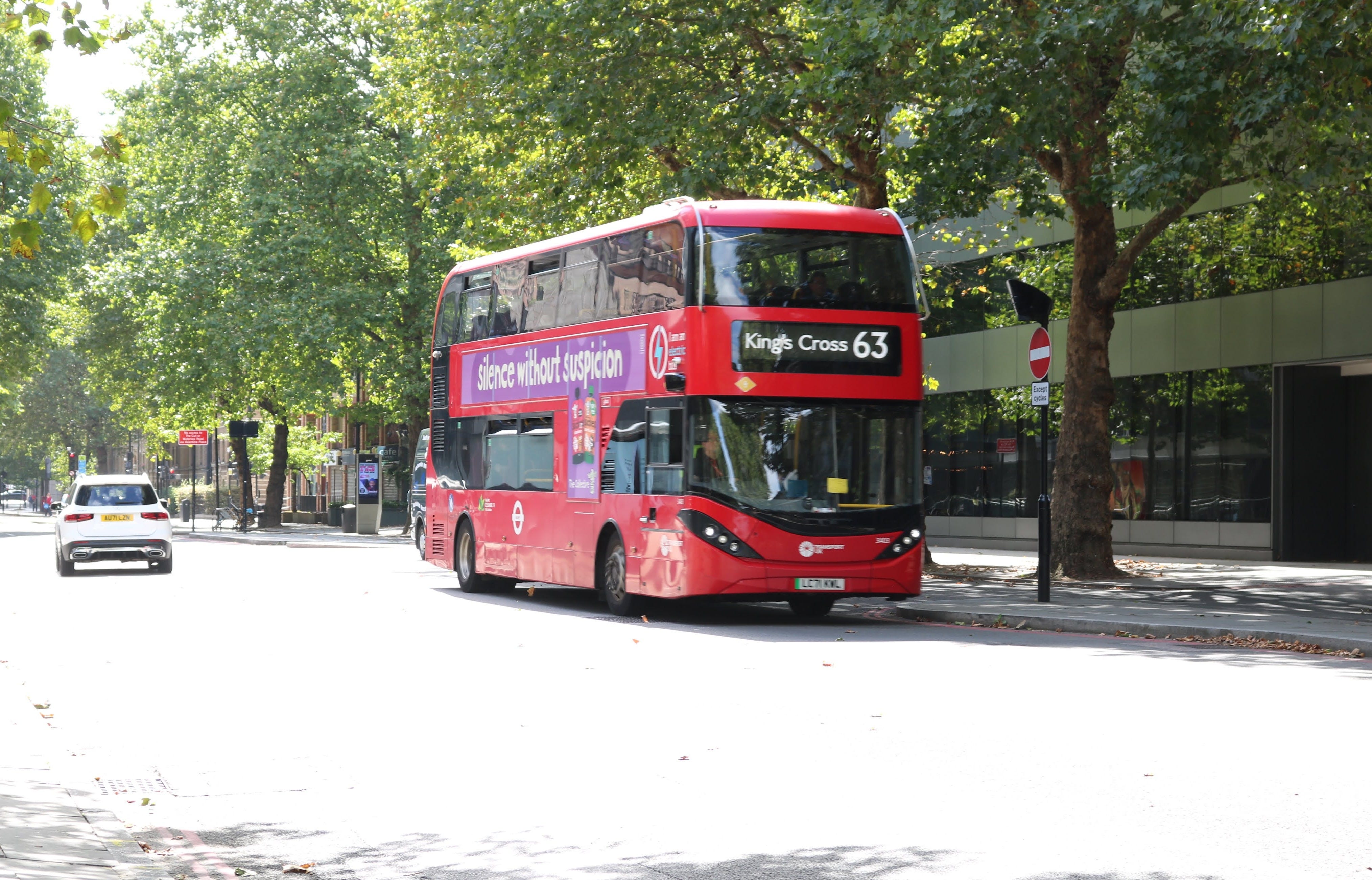
Despite this, they’re all operated by a handful of different companies under contract to TfL, although the passenger isn’t really meant to know that. Each company has their own depots with their own fleets comprising various different types of bus. But to the average passenger, the idea is that a bus journey should feel more or less the same, regardless of which company is running it.
There should be no difference in the way the ticket machine works, the markings and signage both inside and out, the passenger information system (iBus post to follow) or the number of wheelchair spaces. Stagecoach bus, Go-Ahead bus, Arriva bus - it matters not.
And so it would be pretty reasonable to assume that TfL applies this consistency to the on-board experience too. Unfortunately, however, that’s far from the case.
TfL’s image
Transport for London is an organisation that cares a lot about appearances, and I won’t lie that I love that. They’re meticulous about maintaining the strength and consistency of their brand, in addition to looking after the legacy of the tube map and so on.
This carries into the way they operate - their work is informed by undertaking research and consultations, setting standards and providing rationale for these - and again I have huge respect for how it does so. London’s public transport is iconic both visually and functionally because of the way that TfL makes sure that things are up to scratch.
What’s in a bus?
Obsessive consistency is the name of the game with TfL, and therefore it’s no surprise that there’s a document - the Bus Vehicle Specifications or BVS - which defines everything that makes a London bus a London bus. Including attachments, it’s an eye-watering 591 pages defining everything from the acceptable types of ‘frit’ used on window edges to how tyre pressure monitoring systems must function. Surprisingly there’s even an entire section on HVAC (heating, ventilation and air conditioning), which will be news to anyone who’s ever ridden a London bus during any seasonal weather whatsoever.
Buses that enter London fleets are almost always new, which means TfL is in the rather fortunate and somewhat unique position to be able to specify features including those which would not be practical to retrofit to an existing bus after-the-fact. This is why the BVS is able to be so broad and far-reaching in its expectations.
For operators though, they must consider the life of vehicles beyond their use in the capital - after a few hard years in London, buses receive a middle-door-ectomy before being sent off for a quiet retirement in the operators’ national fleets, or are sold on. Using this as justification not to specify a standardised, high-quality bus interior though, feels flimsy at best.
Passenger experience
It’s surprising to me that passenger experience on board a London bus can vary so broadly. It really feels like I’m peddling a first world problem here, when we should be grateful to have such a comprehensive and well-managed bus system in the first place, but no - I strive for better.
As an example of one end of things, there are some buses that I truly detest riding on.
The worst of these (at least that I’m regularly exposed to) is the Wright StreetDeck used on the 97. I loathe these things. The seats are uncomfortable and have this bizarre ‘Tower Transit’ “give me twenty-seconds in MS Paint” scribble moquette. The internal colour scheme is fifty-shades-of-cloudy-grey panelling with vomit-green handlebars. Internal lighting is this distinctly unnatural cheapo-LED warm white that makes me feel ill (my skin is crawling just thinking about it.)
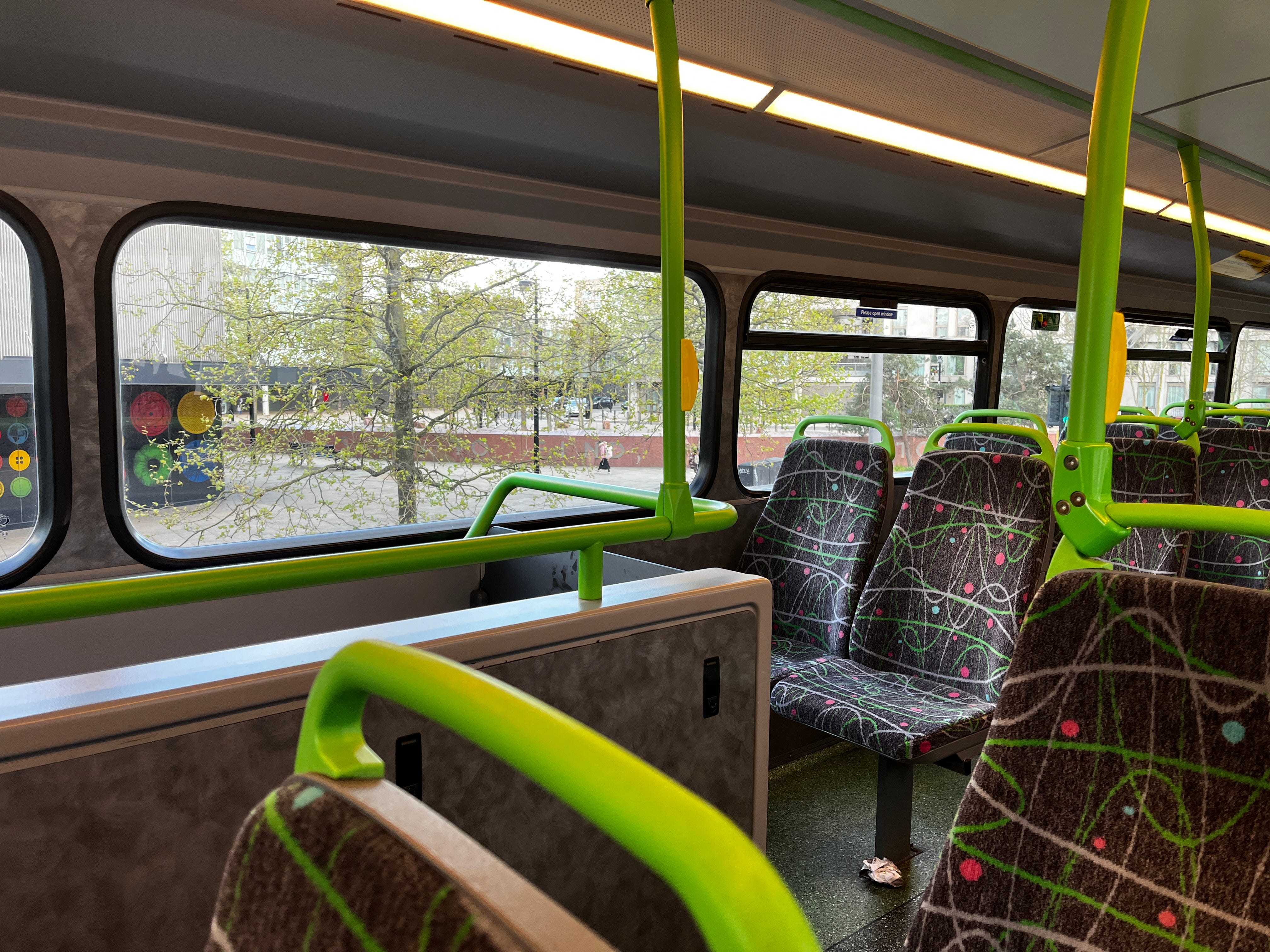
At night, because of the weird angle of the front window, journeys are spent with fellow passengers staring back at you in the reflection as though you’re all taking part in some sort of twisted social experiment. And even downstairs, there’s no good foamer seats at the front - instead just an awkward little bay of four behind the wheel well surrounded by a cage of grab rails. The only thing worse than these are the MCV buses with the same interior but with the added bonus of rattling around like a shopping trolley with a stuck wheel.
Excuse me, I got carried away.
The point is, I dislike these buses. Or rather, I dislike their interiors.
Why?
What I can’t understand is - why is this awful interior allowed?
Why, in 591 pages of specification, has an organisation like TfL not gone “actually, consistency and quality are kinda our thing so maybe we should specify bus interiors…”? The London Underground and now TfL’s greater network is renowned the world over for its attention to detail and distinctive seat moquettes and yet here we are with brand-spanking-new buses being delivered with seats trying to conjure up the spirit of Windows ME?
When TfL took over the lines which now form part of the London Overground and the Elizabeth line, the first thing they did was spruce up the old rolling stock with a dedicated seat fabric and splash of colour. Why? Because it was important that passengers knew “This is TfL now. We’ve got this. We do things properly. We care about your journey.”
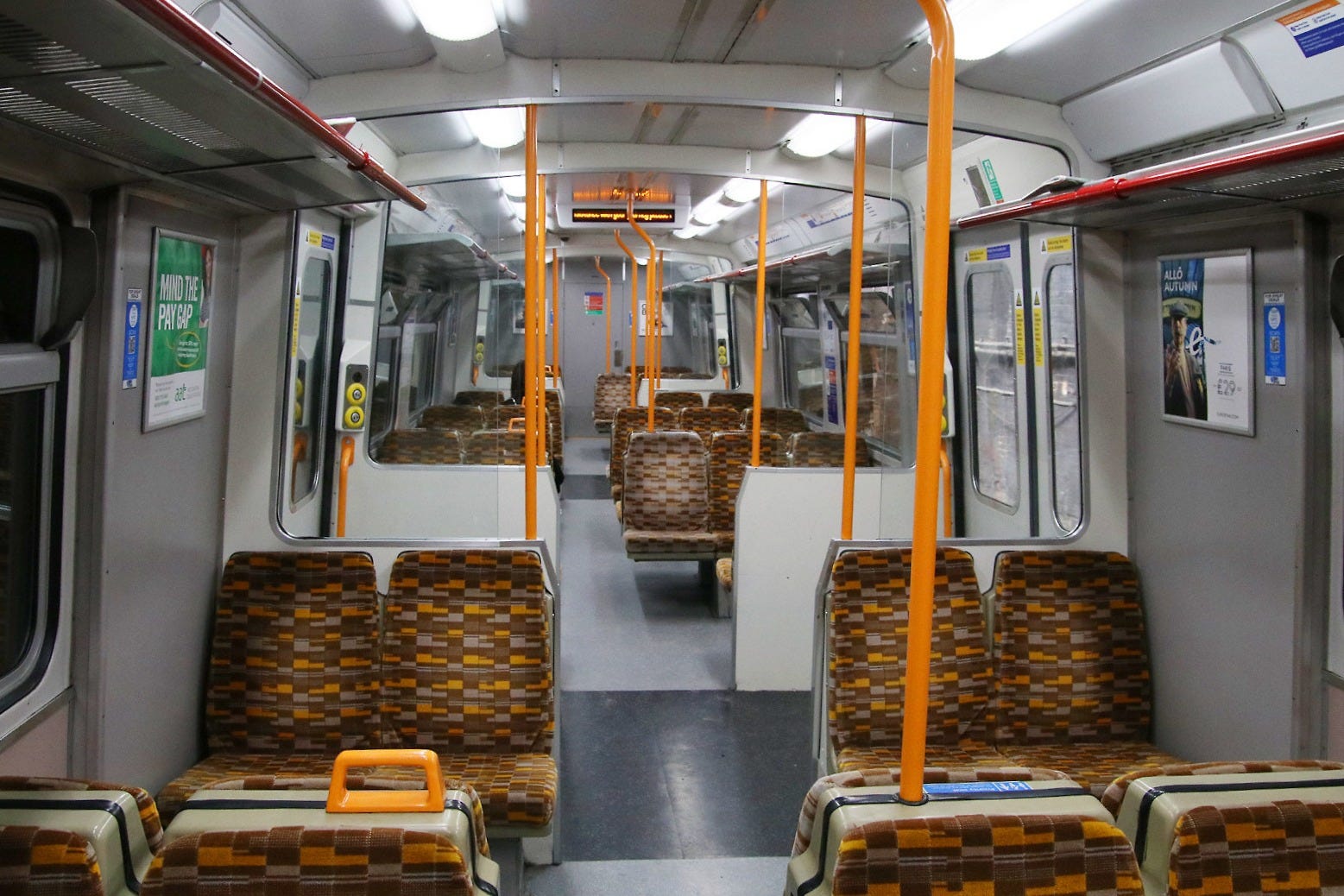
In the bus world, how can they leave this up to the operators? I realise that they own the buses but if that’s the deciding factor, why is it otherwise acceptable for TfL to specify absolutely every other aspect of the bus?
If TfL can enforce consistency down to the typeface variant and Pantone swatch, it’s just baffling to me that they can leave the passenger experience on their world-class bus network to the whim of the operators. I honestly find it downright disappointing - I expect better from TfL.
Bus interiors shape the experience of passengers taking 5 million journeys in London daily. Not putting care and thought into these is the antithesis of everything TfL stands for, and of what makes London’s transport admired the world over.
Why?
This post is the first in a series on bus interiors in London.
Next post:
